
 +86 15853145085
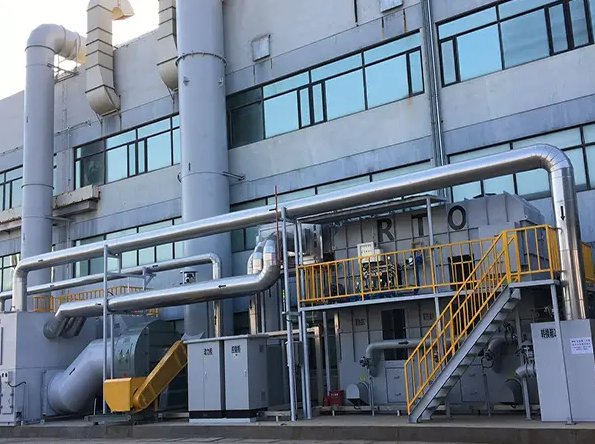
The normal operation of waste gas treatment equipment in chemical plants is directly related to enterprises’ environmental compliance and standard pollutant discharge. Daily inspection of waste gas treatment facilities is a core step to guarantee stable equipment operation. Operation and maintenance staff need to systematically check the operating conditions of all links. A standardized inspection list helps technicians quickly identify hidden troubles, and prevents excessive emissions and equipment damage caused by negligence.
1. Operating Condition Inspection of Waste Gas Treatment Equipment
Check the equipment exterior for obvious damage and corrosion before daily startup. Verify whether key components including fans, motors and pumps run smoothly without abnormal vibration or noise. Record operating parameters such as current, voltage and air volume to keep them within standard ranges.
The core of the waste gas treatment system lies in processing units, such as activated carbon adsorption devices, catalytic combustion equipment and wet scrubbers. Inspect whether the adsorbent is saturated, whether catalyst activity declines, and whether the pH value of spray liquid is normal. Adjust abnormal data timely to avoid reduced treatment efficiency.
2. Pipeline and Valve Inspection
Waste gas conveying pipelines are prone to blockage and leakage. Check tightness of flange connections and dust accumulation inside pipelines. Ensure all valves, especially regulating valves and solenoid valves, open and close flexibly and operate stably according to set parameters.
3. Electrical and Control System Inspection
The control cabinet serves as the core of waste gas treatment facilities. Confirm normal operation of PLC or DCS systems and accurate data display on touch screens and meters. Regularly calibrate temperature, pressure and flow sensors to avoid judgment errors caused by data deviation.
Aging electrical circuits and poor contact pose potential safety hazards. Inspect intact cable insulation, firm wiring terminals and effective grounding protection.
4. Emission Monitoring and Data Recording
Continuous Emission Monitoring System (CEMS) is a vital basis for environmental supervision. Keep sampling probes clean and ensure analyzers are within valid calibration period. Complete all data records, troubleshoot immediately and report in time once excessive discharge is detected.
Manual sampling monitoring is equally essential. Collect waste gas samples regularly for laboratory analysis, and compare results with online monitoring data to ensure data consistency.
5. Safety and Emergency Measures
Chemical plant waste gas treatment equipment involves high temperature, high pressure and flammable & explosive gases, so safety management cannot be ignored. Check the normal function of explosion-proof devices and pressure relief valves, and confirm fire-fighting equipment is within service life.
Formulate emergency response plans and clarify disposal procedures for sudden failures. Stock up sufficient key spare parts including filter bags, catalysts and pump bearings to avoid long-term equipment shutdown due to part shortage.
6. Maintenance and Cleaning
Long-term operation leads to accumulation of dust, oil stains and chemical residues on equipment; regular cleaning effectively extends service life. Check damaged filter bags, blocked packing inside scrubbers and water replacement demands of circulating water tanks.
Timely lubrication is critical for mechanical maintenance. Fill lubricating oil for fan bearings and motor gearboxes on schedule to reduce wear and tear.
7. Account Records and Work Reports
Operation and maintenance records are important credentials for environmental inspection. Fill in daily inspection forms completely, record equipment parameters, fault solutions and maintenance conditions. Summarize data regularly, analyze operation trends and optimize maintenance plans.
Daily inspection of chemical plant waste gas treatment equipment is no mere formality, but the foundation of environmental compliance and stable production. Systematic list-based management enables maintenance staff to detect faults efficiently, ensure standard waste gas discharge, and underpin the sustainable development of enterprises.