
 +86 15853145085
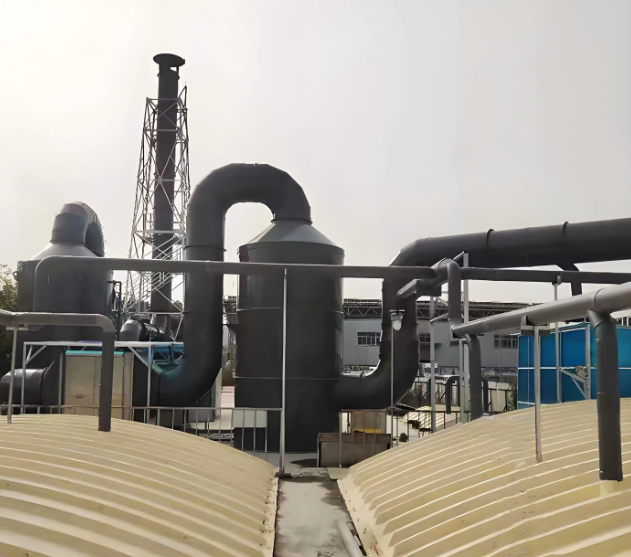
Against the backdrop of increasingly stringent environmental regulations, the stable operation of waste gas treatment facilities is of great importance for manufacturers. As operation and maintenance staff for such facilities, you need to master comprehensive professional skills to ensure efficient and steady operation and cut down pollutant emissions.
1. Be Familiar with Waste Gas Treatment Processes and Equipment Principles
There is a wide range of waste gas treatment facilities, including activated carbon adsorption boxes, RTO/RCO thermal oxidation equipment, catalytic combustion devices, wet scrubbers, biofilter deodorization systems, bag and cartridge dust collectors, etc.O&M staff must fully grasp the core working principles of each process, such as how activated carbon adsorbs VOCs and how catalytic combustion decomposes pollutants via high-temperature oxidation. They also need to be well acquainted with equipment structures, pipeline layouts and valve positions. In-depth understanding of working mechanisms enables rapid fault location.
2. Master Key Points of Daily Inspection
Daily inspection is not a mere formality. Operators shall judge equipment conditions through observation, listening, smelling and touching. Common check items include abnormal noise of fan bearings, normal liquid level of spray towers and rising pressure difference of carbon beds, which help detect hidden troubles in advance.It is necessary to formulate scientific inspection routes, record core operating parameters and compare them with historical data to timely handle abnormal fluctuations.
3. Equip Yourself with Fault Diagnosis and Emergency Response Capabilities
Unexpected shutdown and abnormal emission readings are frequent operational issues. Professional O&M personnel shall troubleshoot step by step through logical analysis. For instance, sudden rise of emission concentration may result from failed pre-treatment, insufficient reagent dosage or faulty monitoring instruments, which requires comprehensive judgment based on DCS curves, equipment status and process parameters.
In addition, staff must be familiar with emergency plans to safely cut off waste gas sources and start standby equipment so as to avoid secondary pollution.
4. Be Proficient in Instruments and Automatic Control Systems
Modern waste gas treatment facilities are highly automated, generally equipped with PLC control systems and online monitoring devices. Operators need to understand control logic diagrams and PID parameter adjustment principles.When abnormal monitoring data occurs, distinguish actual emission anomalies from instrument failures by checking blocked sampling probes, expired standard gas and interrupted data transmission. Skills including simple sensor calibration and frequency converter parameter adjustment can greatly reduce reliance on external technical support.
5. Attach Importance to Safety Protection and Standardized Operation
Waste gas may contain flammable, toxic and corrosive substances, so safety always comes first. Staff must be familiar with MSDS and proper application scenarios of all personal protective equipment.Standard procedures such as gas detection before confined space operation and lockout-tagout before electrical maintenance shall be strictly implemented. Regular inspection of explosion-proof devices and leakage alarms helps eliminate potential risks from the source.
6. Complete Data Management and Compliance Records
Operation logs, maintenance records and consumable replacement lists are key inspection items for environmental supervision. O&M staff shall establish complete filing systems to accurately record activated carbon replacement time, reagent dosage and disposal procedures of abnormal events.These records not only prove compliance with regulations, but also support operational optimization. For example, analyzing half-year consumable consumption can help predict replacement cycles rationally.
7. Keep Learning and Update Professional Knowledge
Environmental standards and waste gas treatment technologies keep upgrading. Some traditional processes may need renovation due to insufficient purification efficiency.O&M staff should keep learning about new industry technologies via professional training, case study and peer communication, so as to improve overall operation and maintenance efficiency.
The stable operation of waste gas treatment facilities relies on the continuous accumulation of professional capabilities rather than luck. Relevant skills are closely interconnected. Only by constant self-improvement can staff effectively guarantee the normal and reliable operation of waste gas treatment systems