热门关键词:
您的位置: 首页>>PRODUCT>>Activated Carbon Adsorption Box

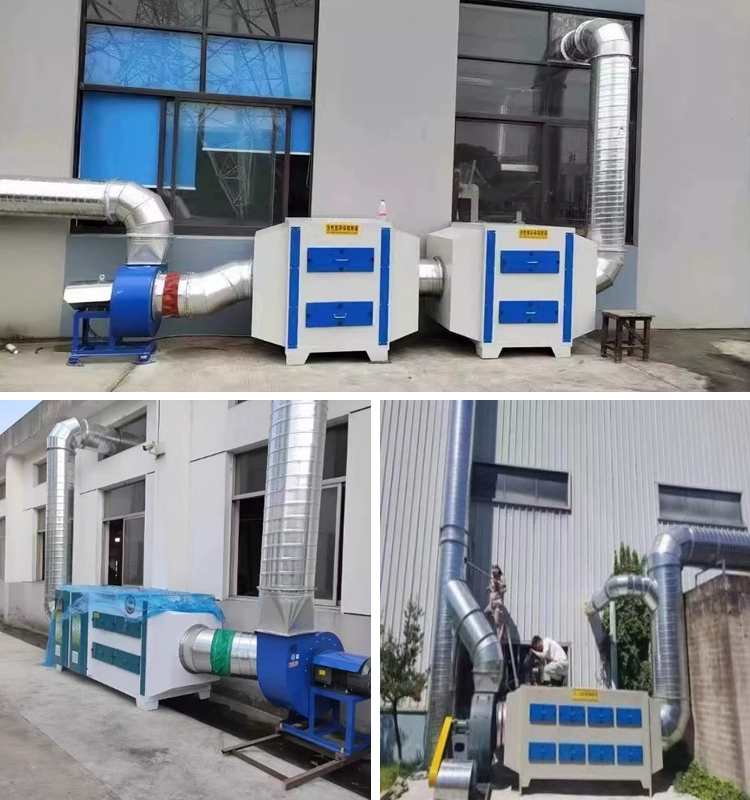
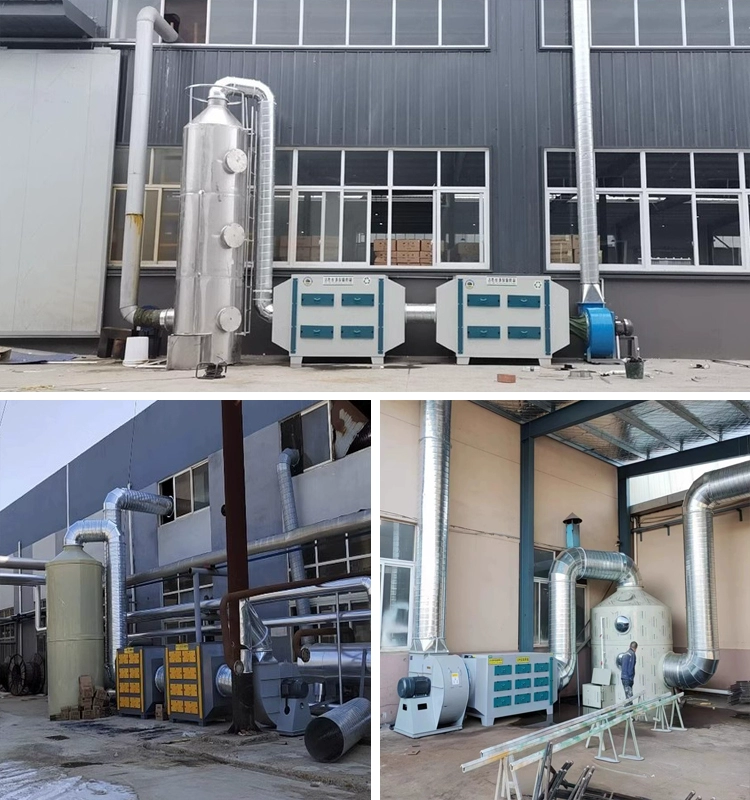
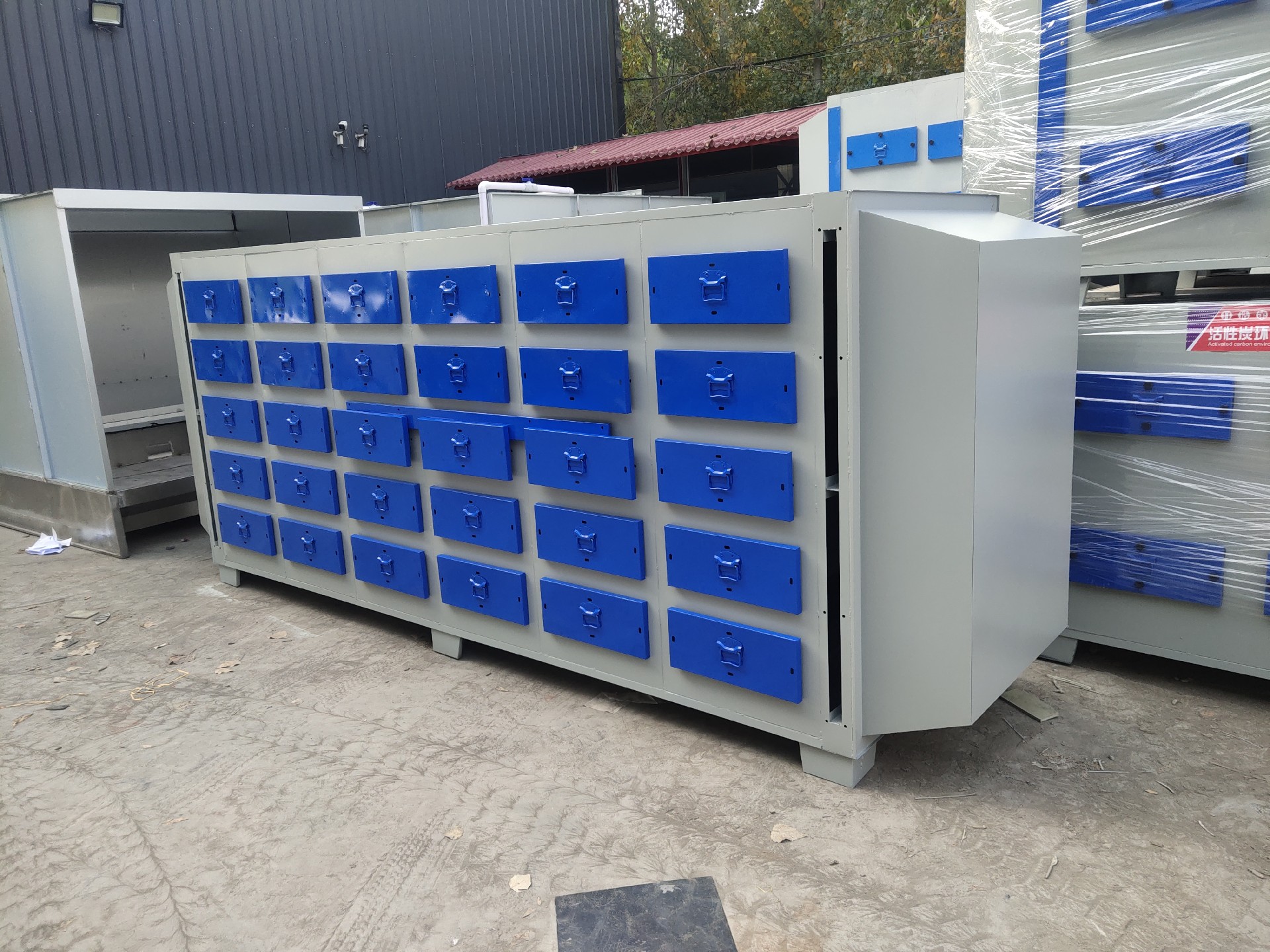
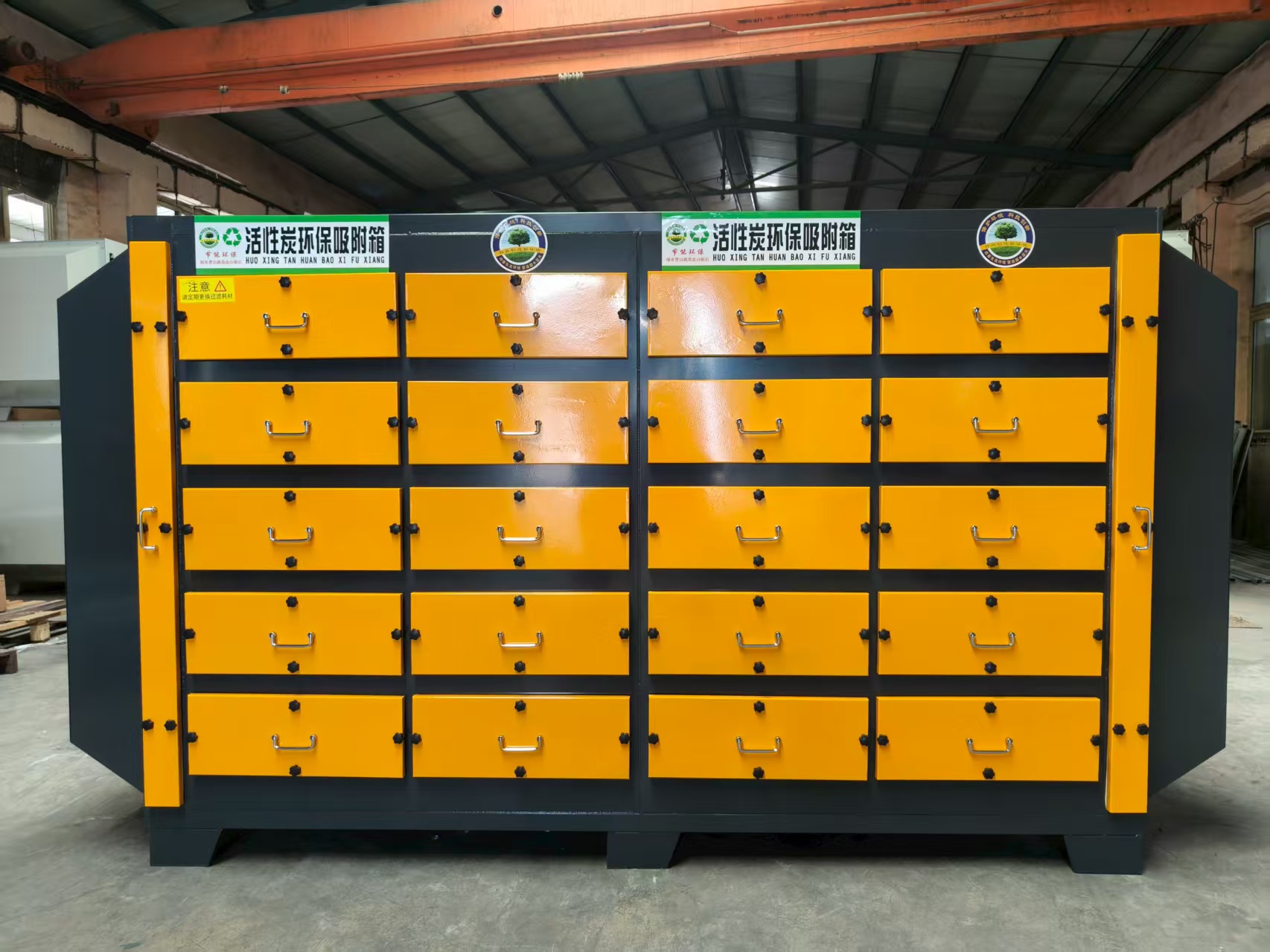
Carbon steel activated carbon adsorption box

Working PrincipleActivated carbon features an extremely large specific surface area ranging from 500 to 3000 m²/g, with abundant micropores, mesopores and macropores inside, providing massive active sites for pollutant adsorption.Pollutant-laden gas is delivered into the adsorption chamber by fan.A...


在线咨询 全国热线
+86 15853145085
产品介绍

Focus on the production of environmental protection equipment


Working Principle

Activated carbon features an extremely large specific surface area ranging from 500 to 3000 m²/g, with abundant micropores, mesopores and macropores inside, providing massive active sites for pollutant adsorption.
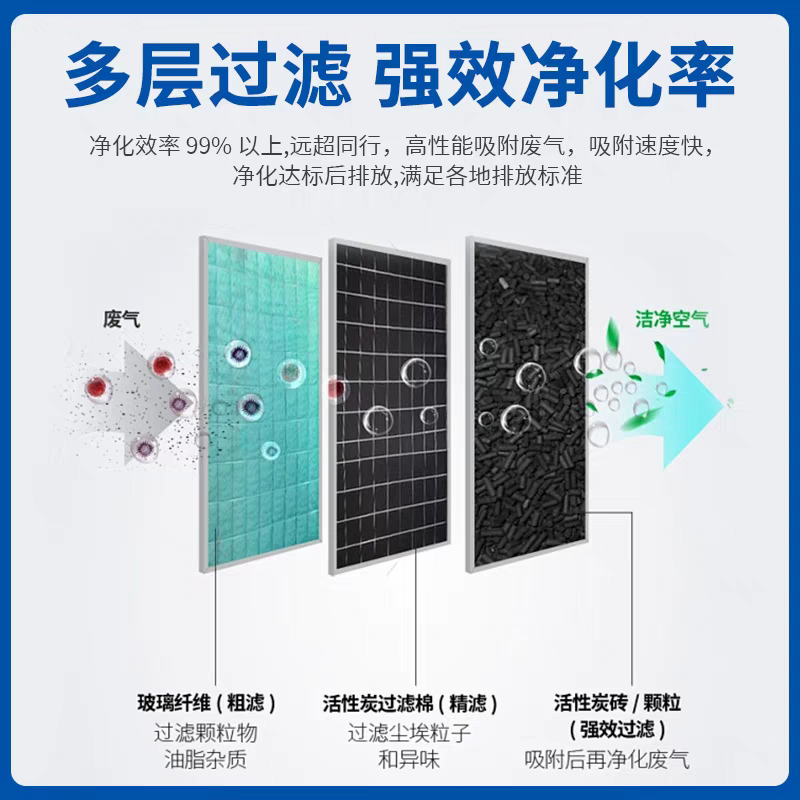
Pollutant-laden gas is delivered into the adsorption chamber by fan.After pre-treatment, the gas evenly flows through the activated carbon bed. Gas molecules diffuse inside the pores and approach adsorption sites.Driven by surface energy of activated carbon and Van der Waals force, pollutant molecules are trapped within the pores to complete gas purification.

活性炭吸附箱

Structural Composition

  • Box Body: Main body of the equipment, commonly made of carbon steel, stainless steel, FRP etc. It must be well sealed to prevent waste gas leakage.

  • Activated Carbon Layer: Core functional part. Activated carbon is filled in dedicated frames to form adsorption beds, mainly including granular activated carbon and honeycomb activated carbon. Granular type boasts larger adsorption capacity while honeycomb type has lower airflow resistance.

  • Air Inlet & Outlet: The inlet delivers raw waste gas, and the outlet discharges purified gas. Airflow distributors such as perforated plates and flow deflectors are usually installed at the inlet for even air distribution.

  • Access Door & Observation Window: The access door facilitates carbon replacement and internal maintenance; the observation window enables real-time inspection of carbon service condition.

Internal Structure of Activated Carbon Adsorption Box
活性炭吸附箱内部结构

  • Industrial Field: Widely used in chemical, coating, printing, electronic and other industries to treat industrial organic waste gas efficiently.

  • Commercial Field: Installed in ventilation systems of hotels, restaurants, shopping malls and other public places for air purification and deodorization.

  • Environmental Protection Projects: Applied in sewage treatment plants, waste disposal yards and similar sites for deodorization and waste gas treatment, mitigating adverse impacts of odor and harmful gas on surrounding environment.

Advantages and Disadvantages

  • Advantages

It possesses high adsorption capacity and performs excellently in removing VOCs and odor substances, with removal efficiency reaching 80%-95% for low-concentration VOC waste gas.The equipment is simple in structure, easy to operate and convenient for daily maintenance. Moreover, valuable adsorbed substances can be recycled via desorption technology.
  • Disadvantages

Its adsorption capacity is limited. Saturated activated carbon must be replaced timely to avoid pollutant desorption.The adsorption effect is greatly affected by ambient temperature and humidity. In addition, activated carbon regeneration is complicated and costly, with relatively high initial investment.
  • Selection Guidelines

Proper adsorption boxes shall be selected according to treated air volume, waste gas composition and concentration, operating environment as well as equipment material and quality.It is essential to analyze waste gas components and concentration accurately, select matched activated carbon types for targeted pollutants, and confirm reasonable filling quantity.