
 +86 15853145085

 全国服务热线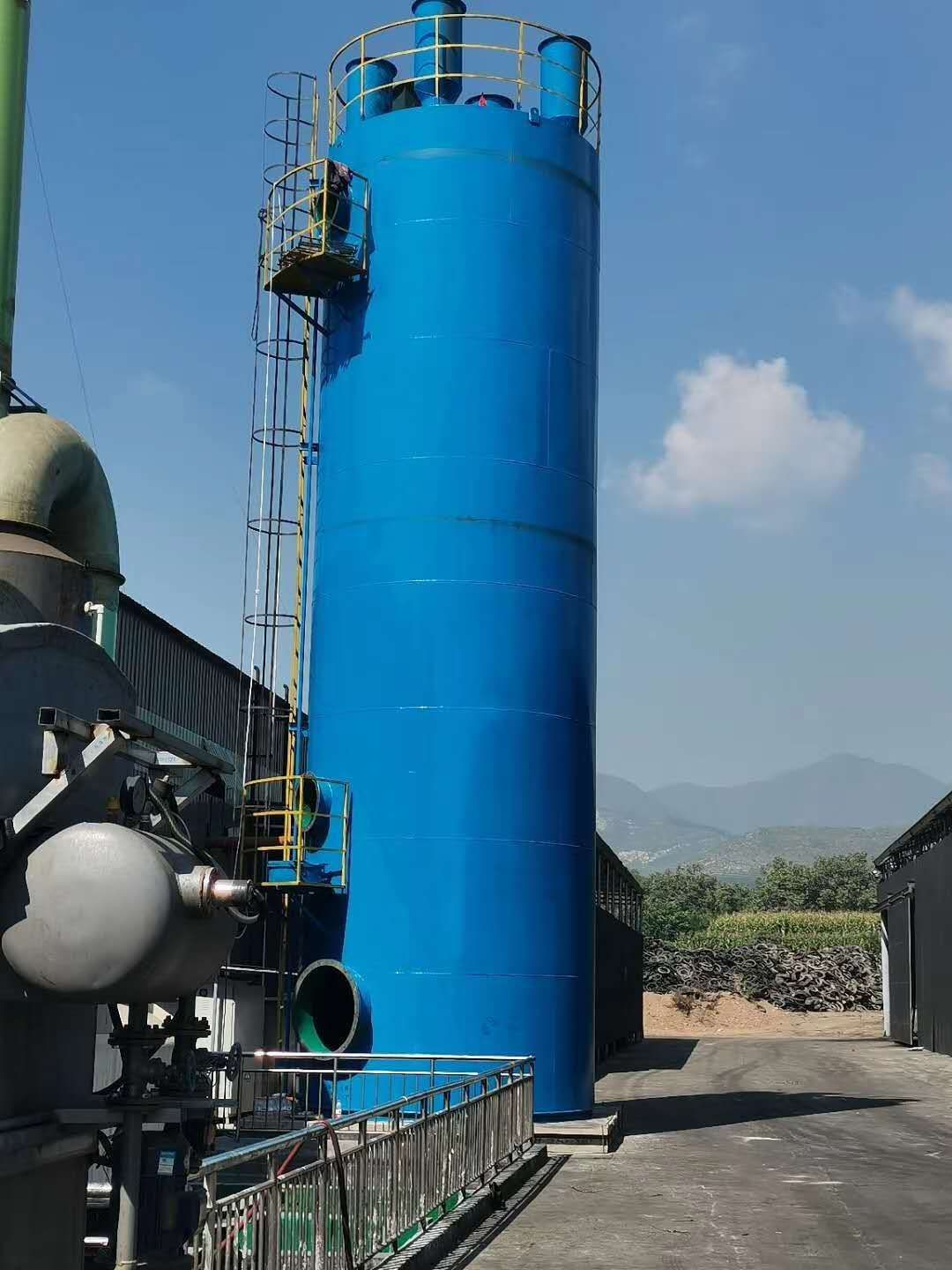
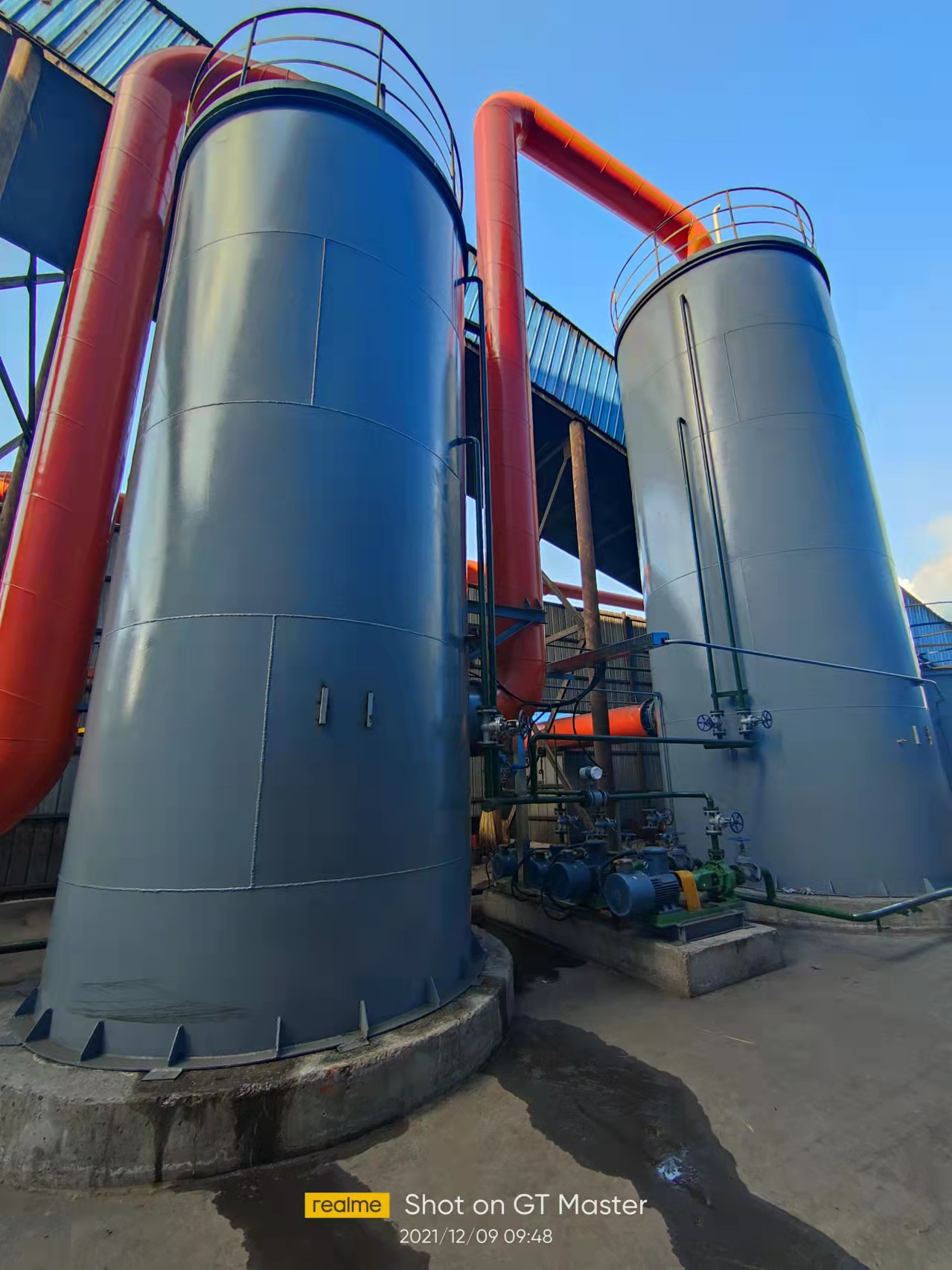
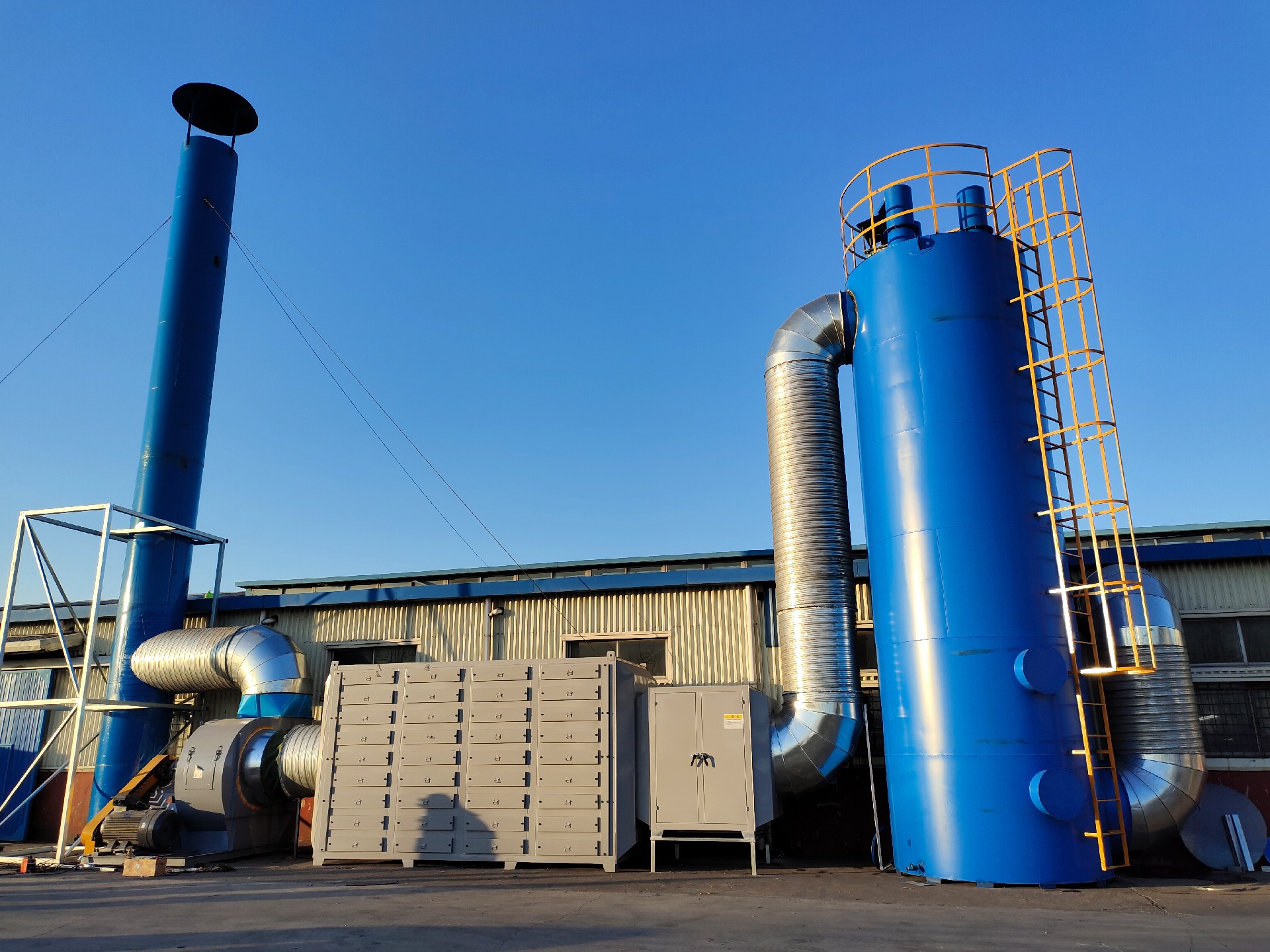
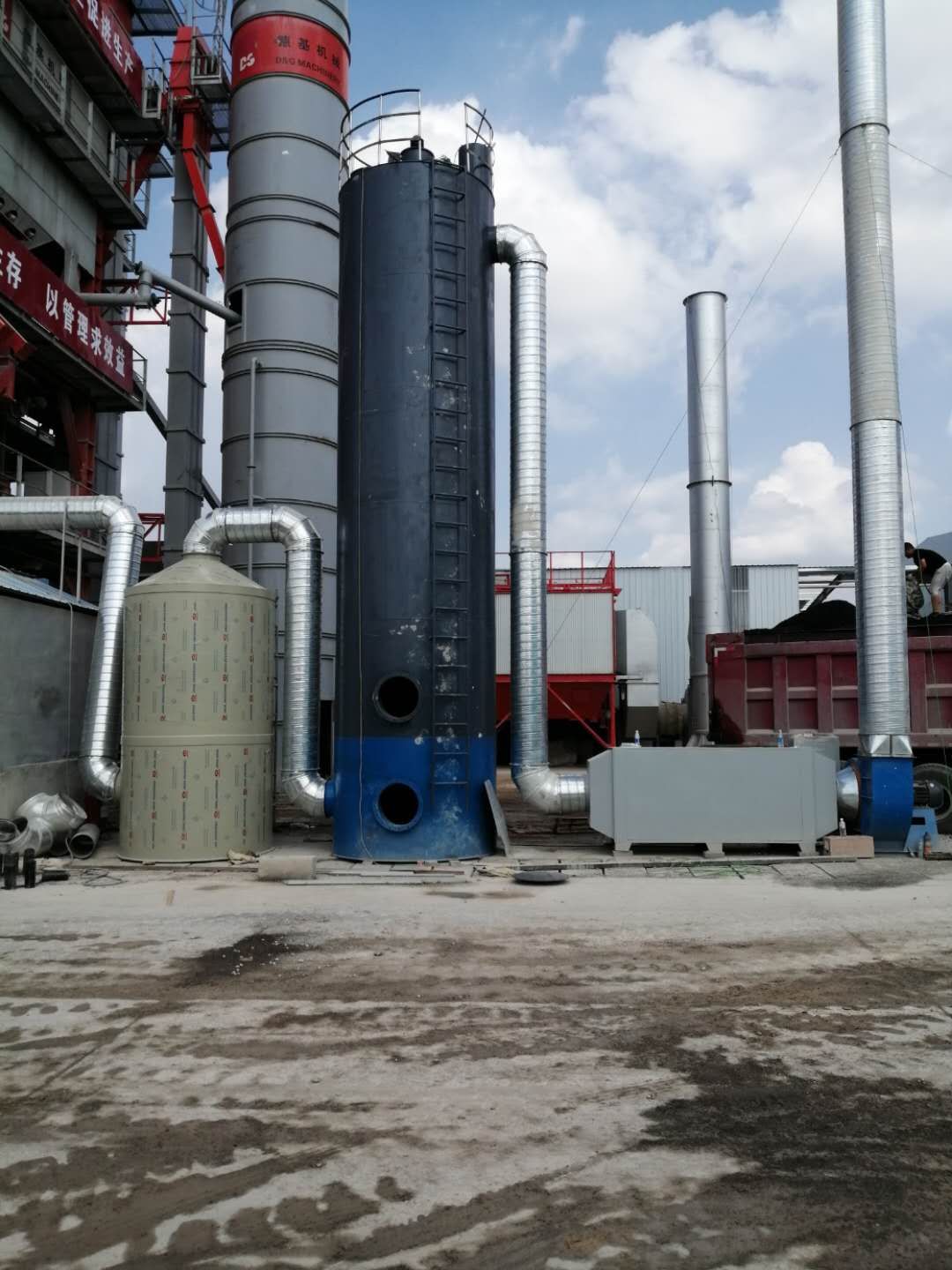
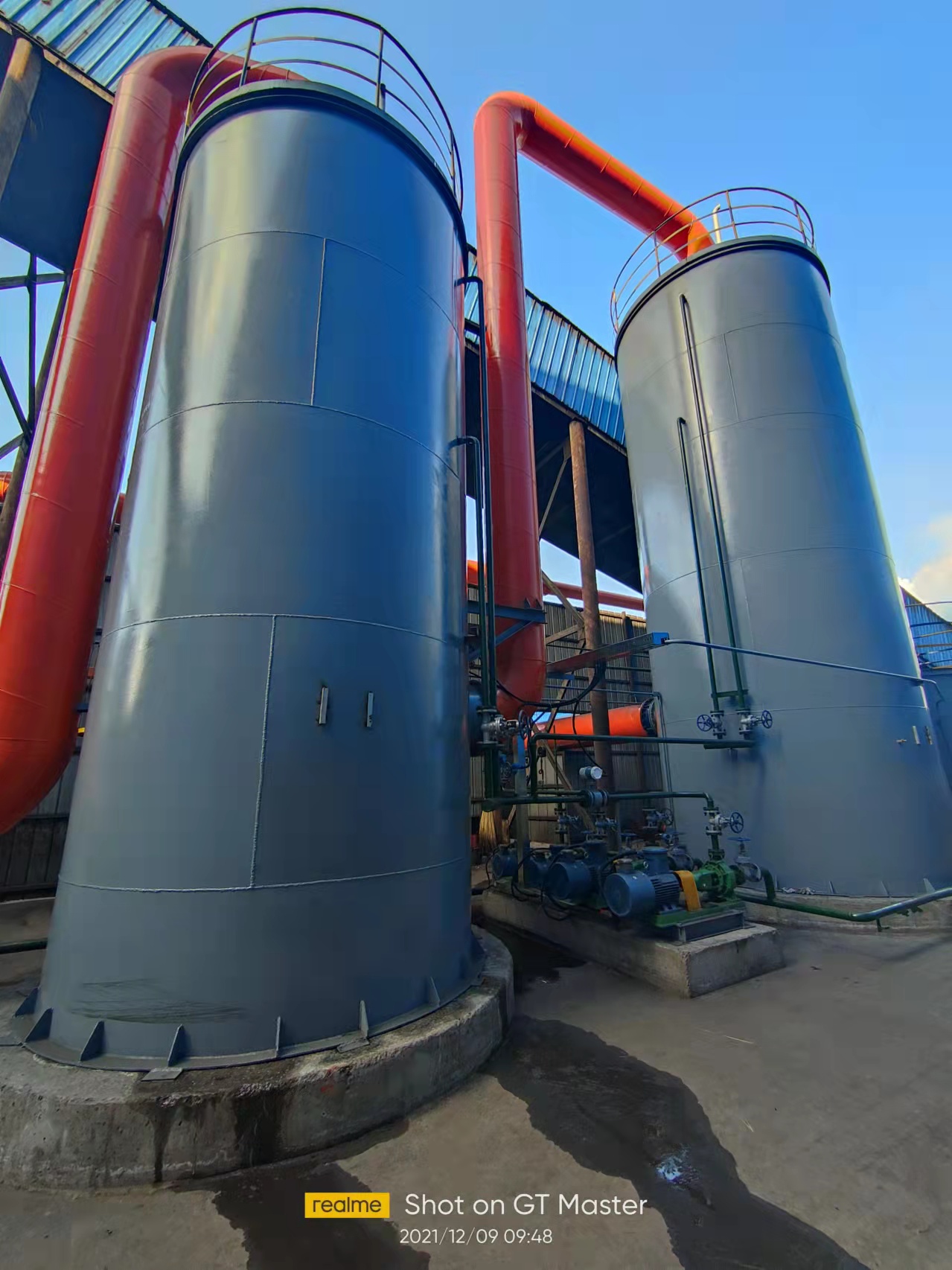
1. Core Working Principle
Ionization and Charging: The high-voltage power supply applies DC high voltage of 10-30kV to cathodes (discharge electrodes), while anodes (collecting electrodes) are grounded. A strong electric field is formed between two poles to ionize gas molecules in flue gas into electrons and positive ions. Electrons collide with tar mist droplets and make them negatively charged.
Adsorption and Collection: Negatively charged tar mist droplets move towards anode plates or anode tubes under electric field force, discharge electricity after contact and adhere to anode surfaces.
Tar Separation: Accumulated tar forms oil films and flows down into the bottom tar tank by gravity or flushing for recycling.
2. Main Functions
Flue Gas Purification: It efficiently removes tar mist with purification efficiency over 95%, meeting environmental emission standards and preventing atmospheric pollution caused by tar emission.
Equipment Protection: It avoids blockage and corrosion of subsequent pipelines and equipment such as fans and heat exchangers, extending service life and reducing maintenance costs.
Resource Recovery: Collected tar can be reused as fuel and chemical raw materials to improve economic benefits.
Working Condition Optimization: It eliminates the interference of tar on follow-up processes including desulfurization and denitrification, ensuring stable operation of the whole flue gas treatment system.
3. Application Scope
Coal Chemical & Coking Industry
Purify coke oven gas, coal gas and flue gas from semi-coke production, and prevent pipeline blockage.
Petrochemical Industry
Treat flue gas from catalytic cracking, delayed coking and asphalt production to reduce equipment corrosion and air pollution.
Carbon & Graphite Industry
Remove asphalt flue gas generated during carbon roasting and graphite production to meet emission requirements.
Other Industries
Remove tar mist from raw material gas in chemical fertilizer industry, flue gas in calcium carbide industry and gas from biomass gasification.
4. Common Operating Voltage and Current Parameters
Standard Working Voltage
Honeycomb type: 45-60kV, typical value 50-55kV
Tubular type: 35-50kV, typical value 45kV
Plate type: 30-45kV, typical value 35-40kV
Large customized equipment can reach 65-100kV.
Standard Working Current
Honeycomb type: 300-800mA
Tubular & plate type: 50-300mA
Unit length current: 0.2-1.0mA/m
Typical Parameters in Different Scenarios
Coke oven gas purification: 45-55kV, 300-600mA
Coal gas treatment: 35-45kV, 100-300mA
Carbon roaster flue gas treatment: 40-50kV, 200-500mA
5. Treatable Waste Gas Types
Main Treatment Objects
Unsuitable Waste Gas
6. Daily Maintenance Methods
Daily Inspection
Weekly Maintenance
Monthly Maintenance
Quarterly & Annual Overhaul
7. Hazards Caused by Tar Blockage
Sharp drop in purification efficiency: Electrodes are covered by tar, resulting in electric field failure and serious excess tar emission.
Potential safety hazards: Blocked pipelines lead to accumulation of flammable gas, easily causing explosion risks; internal pressure rise leads to medium leakage.
Equipment damage: Tar corrodes equipment components; fans and high-voltage power supplies operate under overload to cause failure.
System shutdown: Tar enters follow-up equipment to cause blockage, affecting the normal operation of the whole production line.
8. Common Faults and Solutions
Low voltage and difficult voltage boost: Clean electrode dirt and wipe contaminated insulators.
Unstable current: Seal air leakage points and evenly remove accumulated dirt on electrodes.
Tar blockage: Conduct steam flushing on a regular basis and optimize pre-treatment to control inlet dust concentration.
Excessive oxygen content in flue gas: Seal equipment gaps and start nitrogen replacement in time.
9. Safety Risk Prevention Measures
Strictly control oxygen content within 1.8% and adopt interlock protection; replace internal gas with inert gas before startup and maintenance.
Standardize high-voltage operation procedures, implement power-off and grounding maintenance, and strengthen insulation component maintenance.
Regularly check equipment sealing performance to avoid air intake and medium leakage.
Improve daily patrol inspection management, reasonably arrange tar discharge work, and equip sufficient fire-fighting and emergency equipment.