
 +86 15853145085

 National Service Hotline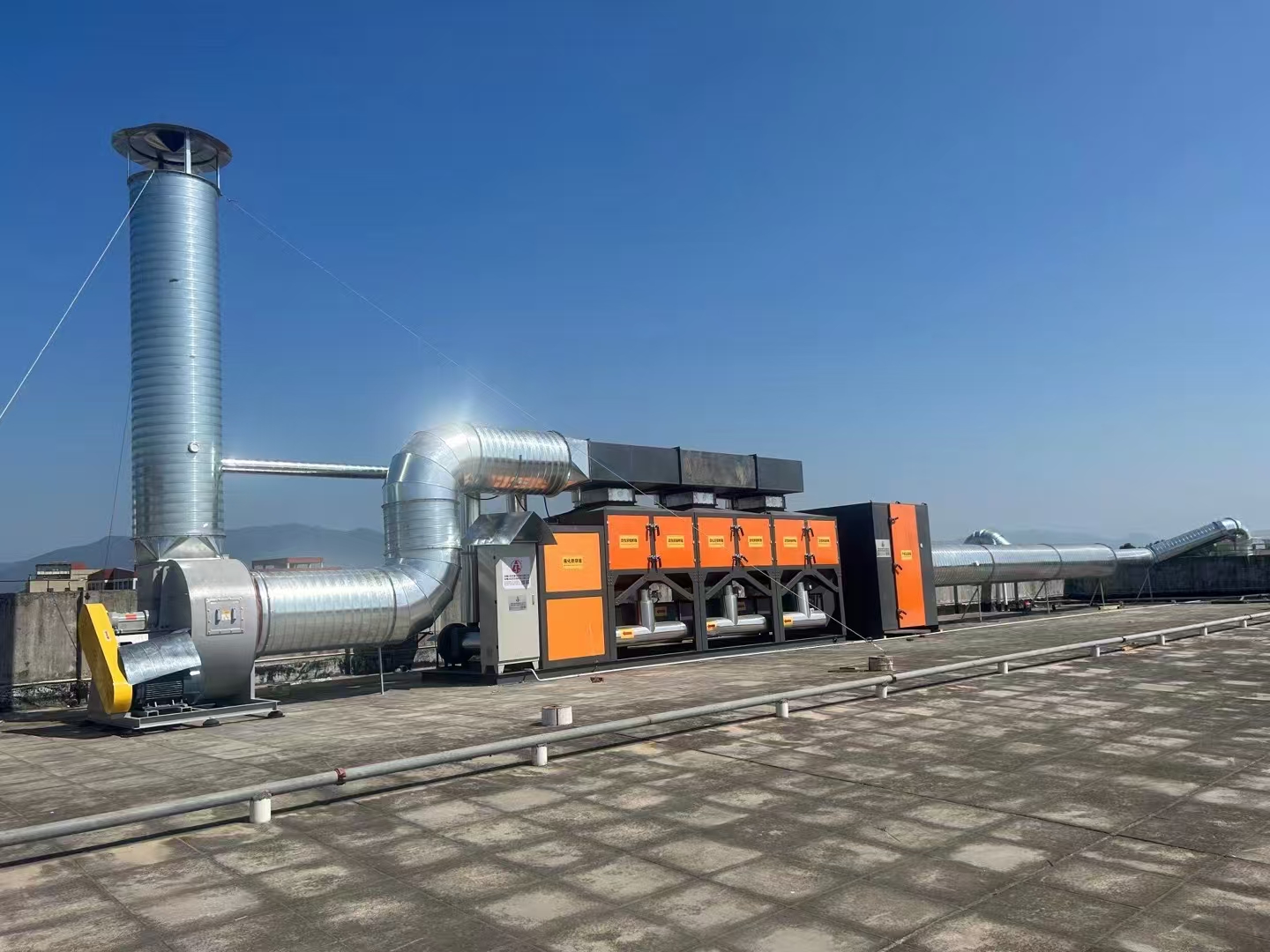
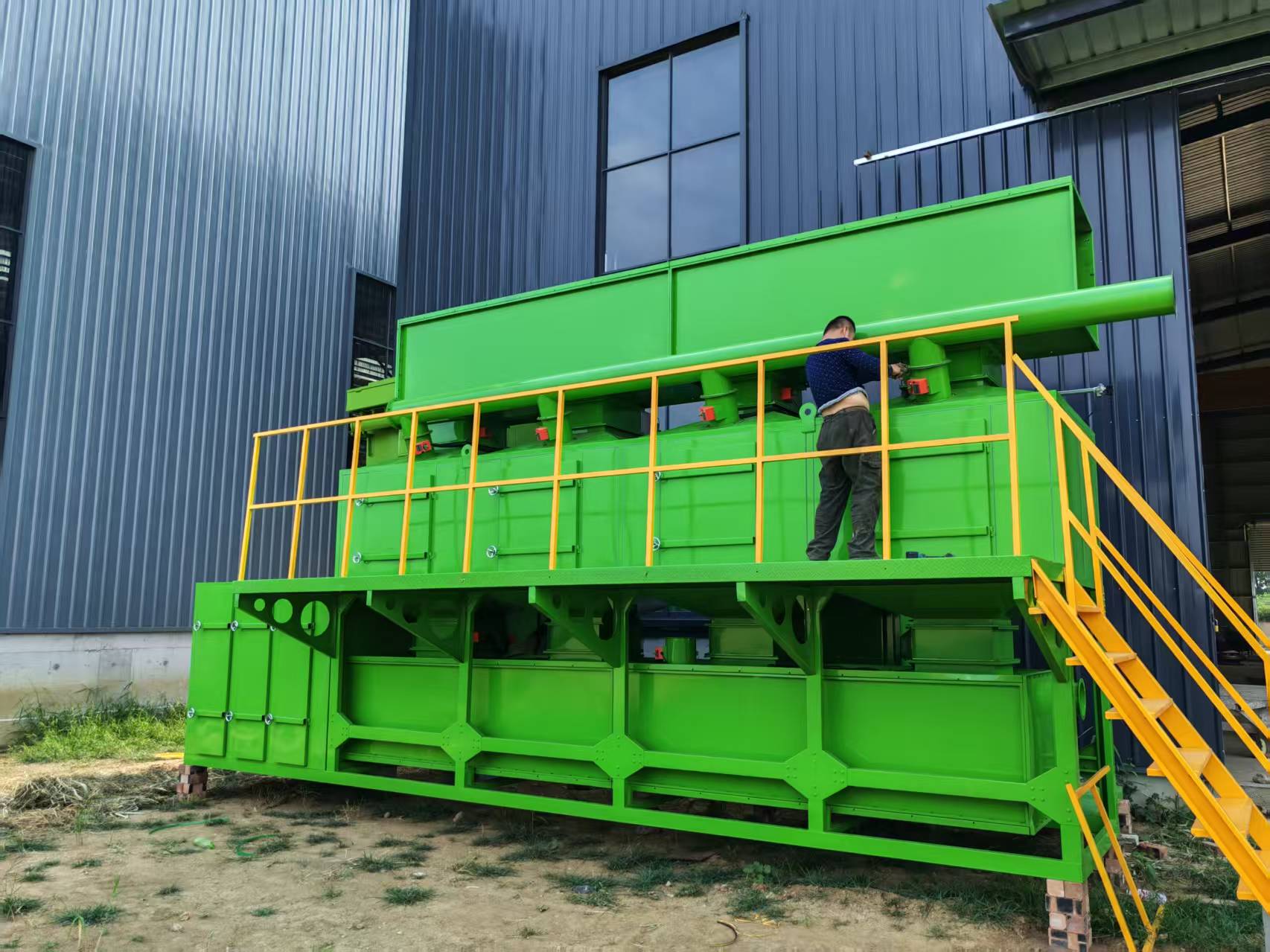
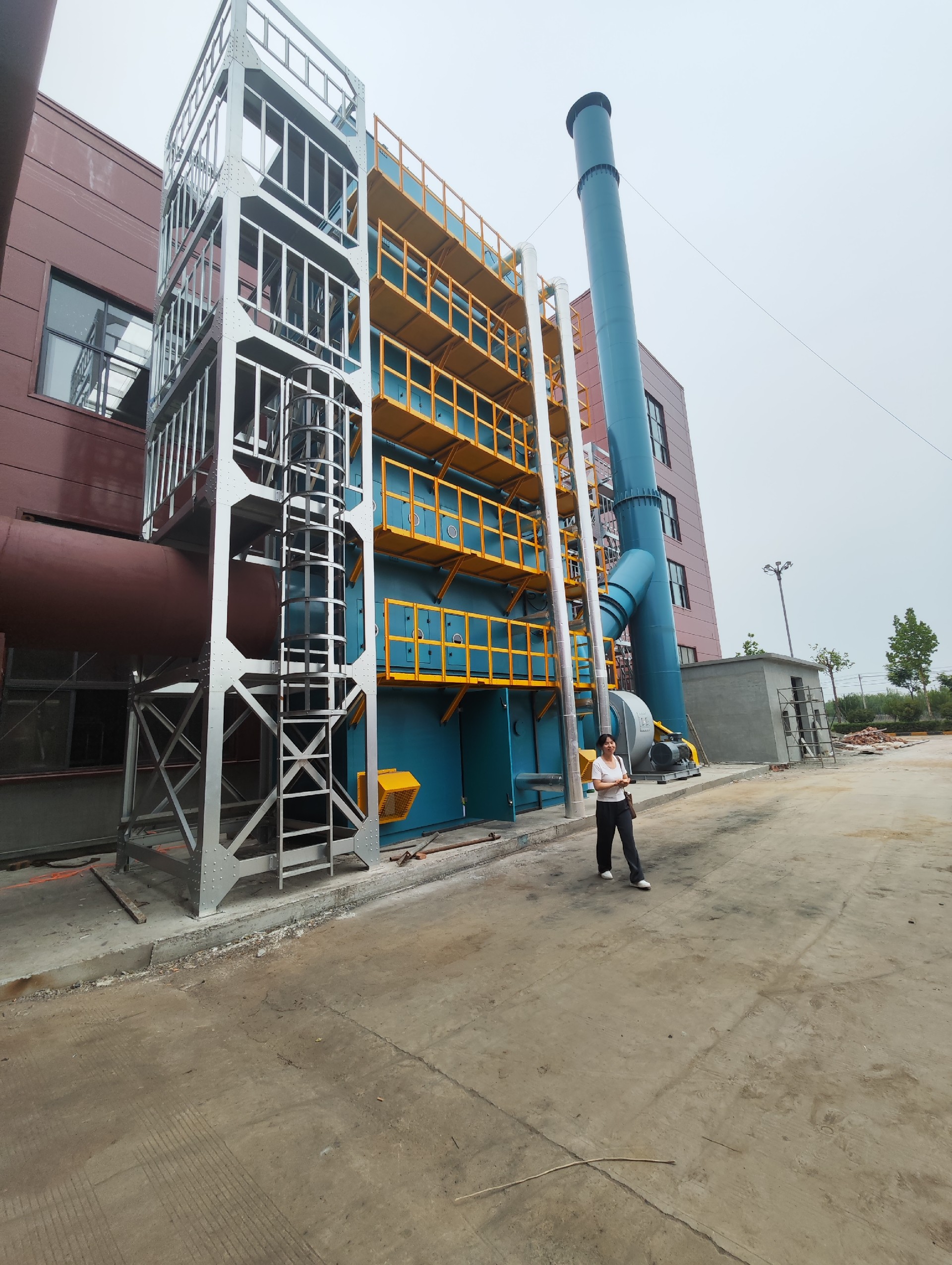
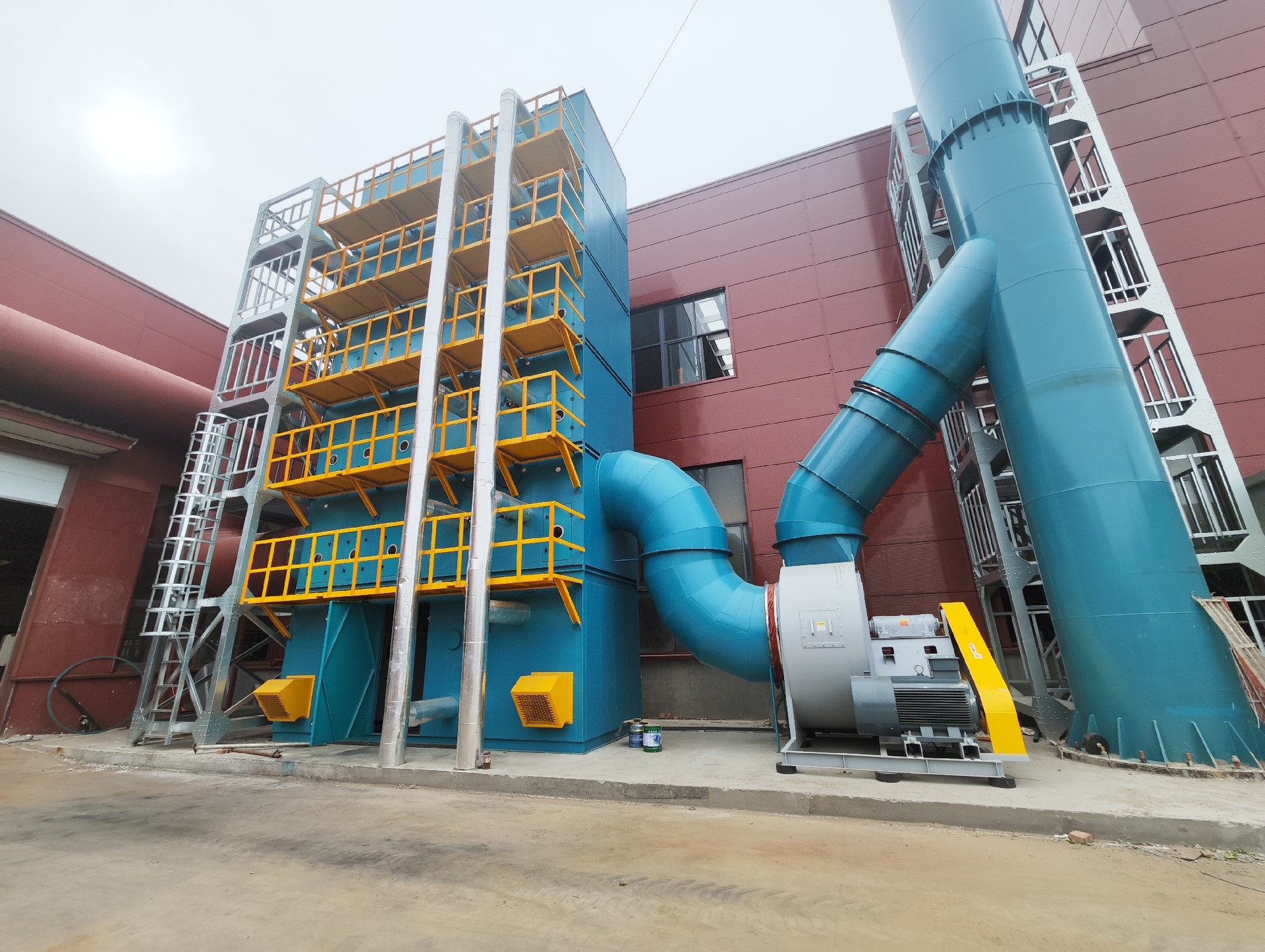
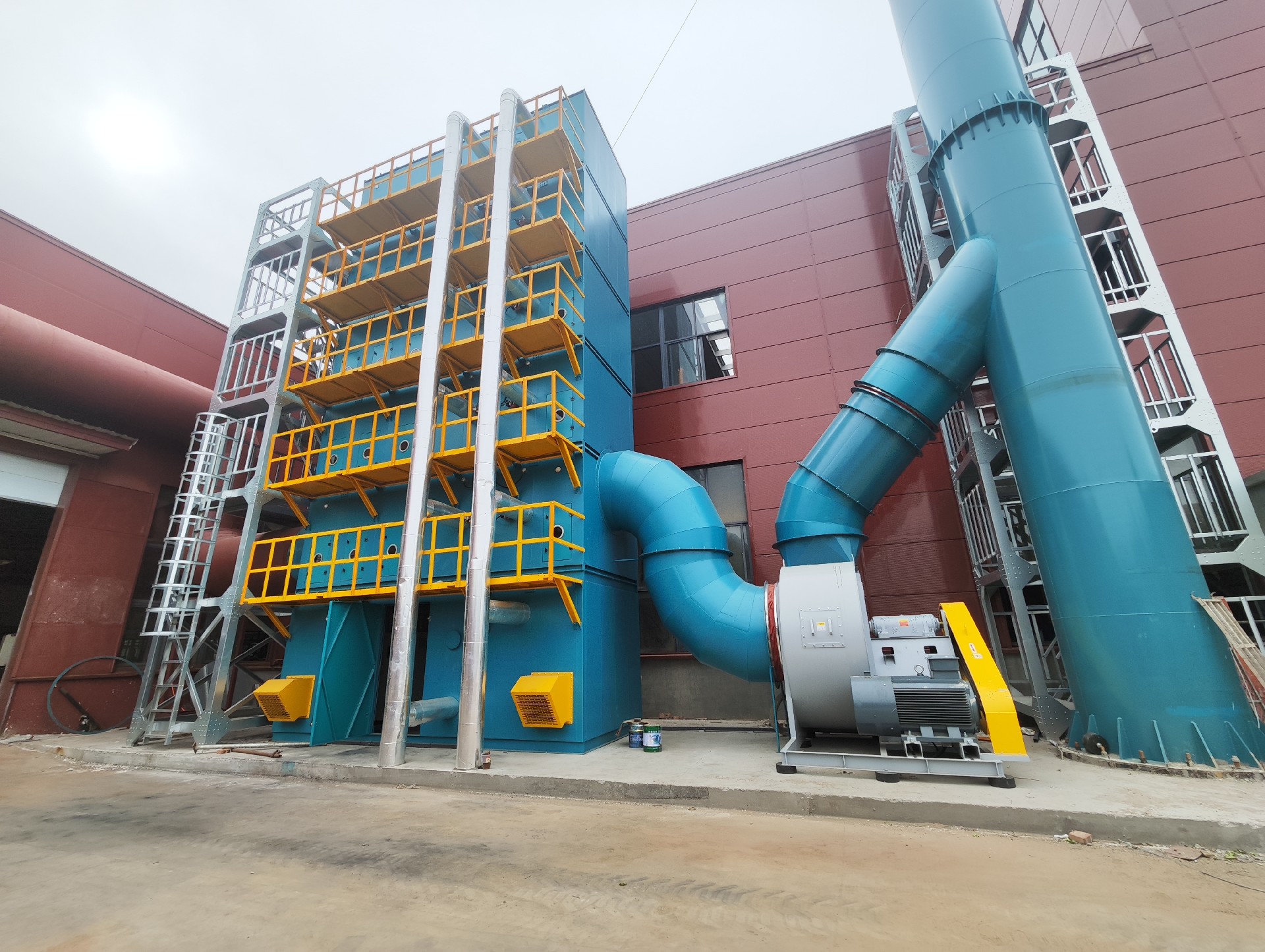
Catalytic combustion is one of the core technologies in environmental protection and chemical industries.
Core Conclusion
As an exhaust gas treatment technology, catalytic combustion enables organic waste gas to be fully oxidized and decomposed into carbon dioxide and water at a relatively low temperature of 200-400℃ under the action of catalysts.
Core Principle
Catalysts reduce the activation energy required for oxidation reaction of organic waste gas, so the reaction can be initiated without high-temperature open fire.During the reaction, the catalyst only accelerates the reaction process without being consumed itself, thus realizing long-term stable service.
Key Advantages
It features low energy consumption, which greatly cuts heating energy consumption compared with direct combustion at 600-800℃.It achieves high purification efficiency, with the removal rate of most volatile organic compounds (VOCs) reaching over 95%.It causes no secondary pollution, for the final products are only carbon dioxide and water without by-products such as nitrogen oxides.
Typical Application Scenarios
Industrial waste gas treatment: VOCs waste gas discharged from coating, printing, chemical, pharmaceutical and other industries.Environmental pollution control: terminal treatment of organic pollutants including benzene, toluene, xylene, acetone and so on.
Application Fields of Catalytic Combustion
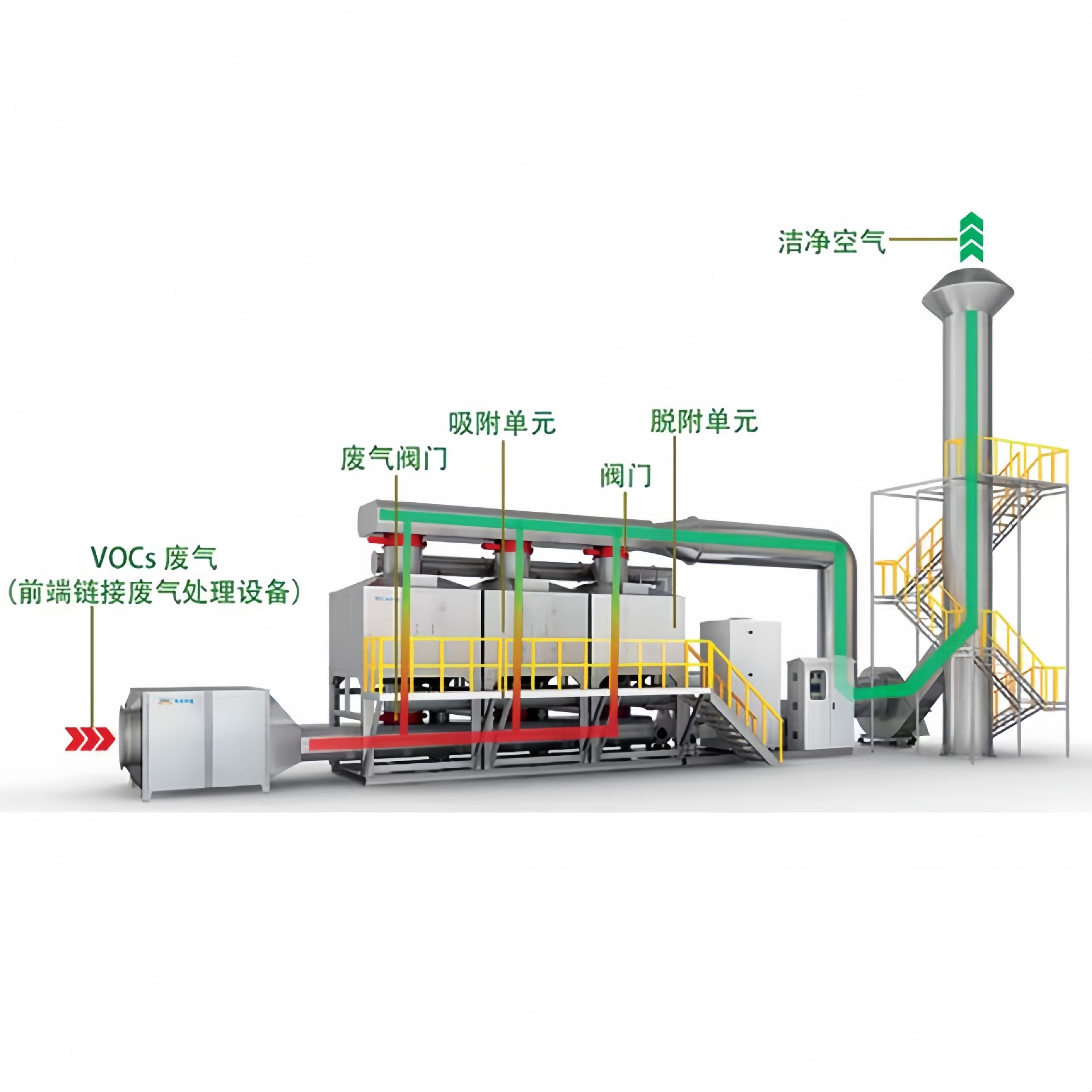
Catalytic combustion is mainly applied to the treatment of volatile organic compounds waste gas, covering industrial production, environmental governance and other fields, especially suitable for industries requiring low energy consumption and high purification efficiency to dispose organic pollutants.
Core Applicable Industries
Coating industry: paint mist and diluent waste gas containing benzene, toluene and xylene generated in automobile manufacturing, furniture spraying and mechanical parts painting.Printing and packaging industry: VOCs waste gas volatilized from ink and diluent during gravure printing and flexographic printing.Chemical industry: organic process waste gas produced in chemical raw material synthesis, solvent recovery, rubber and plastic processing.Pharmaceutical industry: organic solvent waste gas such as acetone, ethanol and ethyl ester released during synthetic drug production, traditional Chinese medicine extraction and pharmaceutical processing.Electronic industry: cleaning agent waste gas including isopropanol and methanol discharged in circuit board production, semiconductor processing and electronic component cleaning.
Extended Application Scenarios
Coating industry: organic waste gas volatilized from coating liquid during film and paper coating process.Leather industry: solvent-based waste gas emitted in leather tanning, finishing and drying procedures.Catering oil fume treatment: combined waste gas of oil fume and volatile organic compounds from high-end catering and food processing industries.Hazardous waste disposal: advanced purification of trace organic waste gas generated during hazardous waste incineration and pyrolysis.