
 +86 15853145085
The stable operation of low-temperature plasma waste gas treatment equipment is directly related to corporate environmental compliance and production safety. Preventive maintenance is not a simple routine inspection, but a systematic management method to identify potential problems in advance and prevent sudden equipment failures. Efficient operation and maintenance can extend equipment service life, reduce operating costs and minimize risks caused by unplanned shutdowns.
1. Daily Inspection and Record Management
Daily inspection is the foundation of preventive maintenance. Operators shall monitor operating parameters such as fan current, pipeline pressure and adsorbent saturation. Minor changes usually indicate potential faults. Abnormal fan noise may indicate bearing wear, while increased pressure difference may mean filter bag blockage.
Record management is essential. Key data including temperature, pressure and flow shall be recorded and compared with historical data. Long-term data accumulation helps maintenance personnel identify wear patterns of components under specific working conditions and formulate maintenance plans in advance.
2. Regular Maintenance of Key Components
Core components require priority monitoring. For catalytic combustion equipment, catalyst activity gradually decreases over time. Regular efficiency testing is necessary. The catalyst should be replaced once the treatment efficiency declines to avoid excessive emissions.
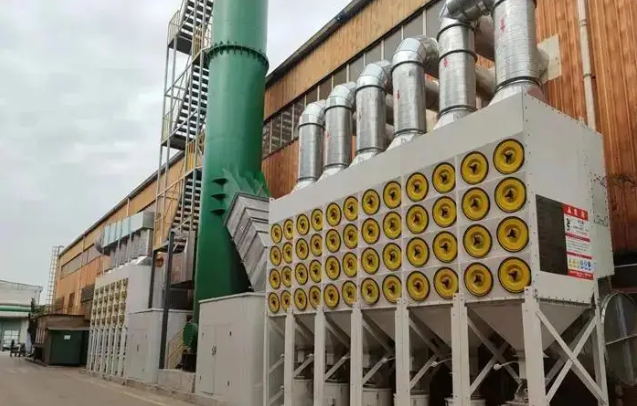
Filter bags are vulnerable parts that are prone to damage and blockage. Regular inspection of pressure difference and dust cleaning can prevent increased system resistance and excessive energy consumption.
The saturation degree of activated carbon directly affects purification efficiency. Workers can judge replacement or regeneration requirements by detecting outlet concentration and observing carbon color. Neglecting carbon saturation may lead to substandard emissions and potential safety risks.
3. Electrical and Automation System Inspection
Modern low-temperature plasma equipment is equipped with PLC or DCS control systems. Electrical components such as relays, sensors and frequency converters may fail due to humidity, dust and vibration. Regularly check wiring terminals and signal transmission to avoid misoperation and unexpected shutdowns.
Gas detector calibration is critical. Sensor drift may cause inaccurate data and affect system adjustment. Quarterly calibration is recommended to ensure data accuracy and avoid false alarms and unnecessary penalties.
4. Lubrication and Mechanical Component Maintenance
The lubrication condition of fans, pumps and valves directly affects equipment lifespan. Insufficient bearing lubrication causes excessive friction and overheating. Refill lubricant and inspect sealing parts regularly to reduce mechanical failure rates.
Vibration monitoring is an effective preventive method for rotating equipment. Abnormal vibration indicates rotor imbalance, bearing wear or misaligned couplings. Regular vibration detection can detect faults at an early stage and prevent sudden breakdowns.
5. Emergency Maintenance and Spare Parts Management
Emergencies may still occur even with complete preventive maintenance. Enterprises shall formulate emergency plans to clarify handling procedures, such as switching to standby systems and contacting technical support in a timely manner.
Reasonable spare parts inventory is necessary. Vulnerable parts including filter bags, seals and sensors shall be properly stocked to avoid maintenance delays. Regularly inspect stored parts to prevent deterioration.
6. Personnel Training and Responsibility Implementation
High-quality equipment requires professional operation and maintenance. Regular technical training shall be provided to ensure operators are familiar with equipment principles, operating specifications and common troubleshooting methods. Experienced staff can identify hidden dangers through subtle changes and prevent minor faults from escalating into serious failures.
Clear responsibilities should be assigned to specific personnel for daily inspection, data recording and equipment maintenance. Clear division of labor avoids maintenance omissions and ensures long-term stable operation of waste gas treatment equipment.
The preventive maintenance of waste gas treatment equipment is a long-term task requiring systematic planning and strict implementation. Scientific inspection, data analysis and component maintenance can effectively reduce failure rates. Standardized maintenance ensures the long-term stable operation of low-temperature plasma waste gas treatment equipment and provides strong support for the sustainable development of enterprises.