How to treat waste gas from film coating machine
作者:中环绿洲时间:2026-05-18 14:26:5580次浏览
信息摘要:
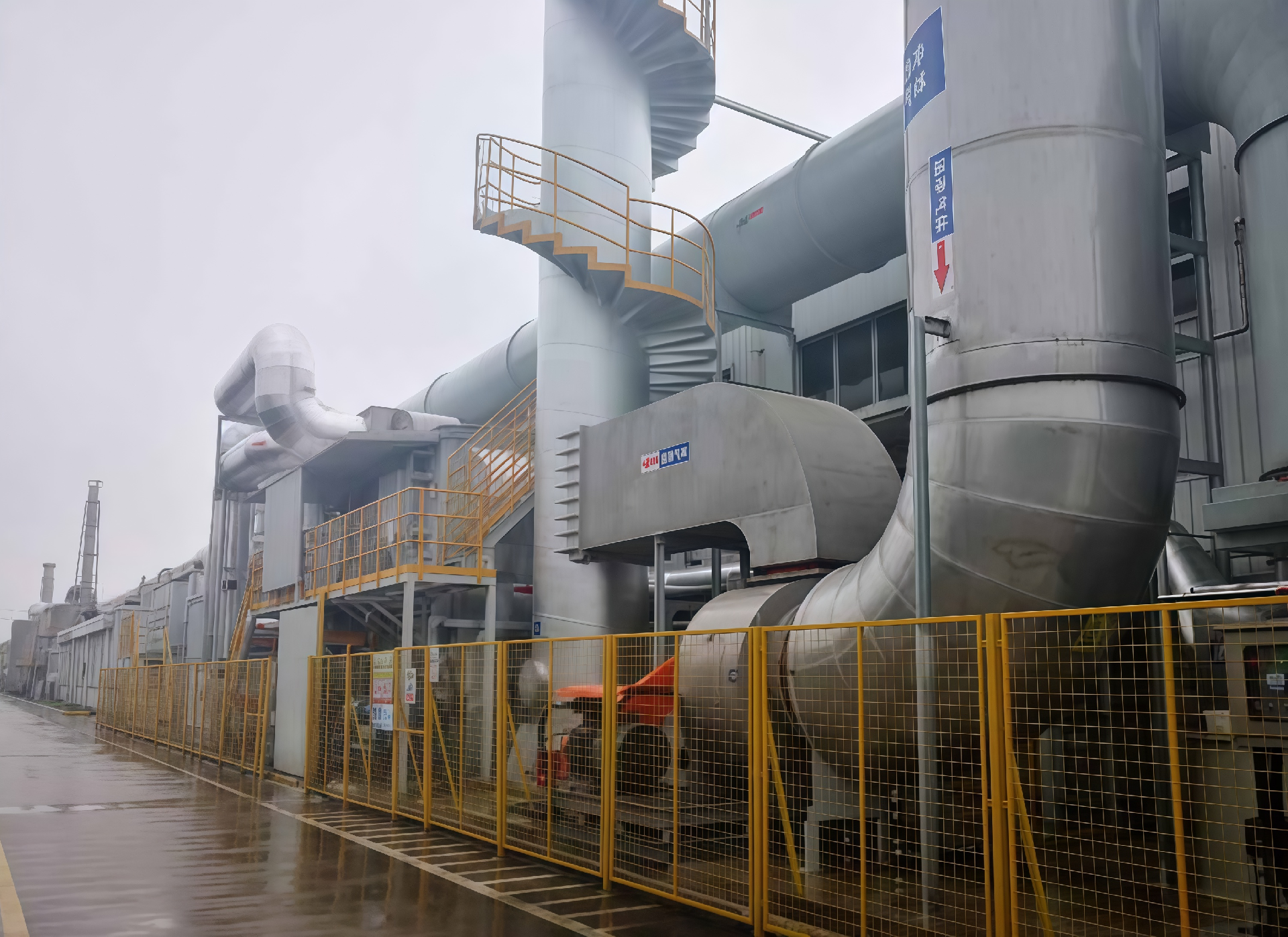
1. Brief Introduction to Waste Gas from Film Coating MachineA film coating machine is production equipment used for surface coating of films. It coats rolled base materials with functional adhesives, coatings or inks, then dries and rewinds the finished films. During coating, drying and equipment cl...
1. Brief Introduction to Waste Gas from Film Coating Machine
A film coating machine is production equipment used for surface coating of films. It coats rolled base materials with functional adhesives, coatings or inks, then dries and rewinds the finished films. During coating, drying and equipment cleaning processes, the machine discharges volatile organic compounds (VOCs) including benzene series, esters, ketones and alcohols. Direct emission of such untreated waste gas will cause atmospheric pollution and impair the health of on-site workers. Therefore, the waste gas must be effectively collected and purified to meet official emission standards before discharge.
2. Sources and Characteristics of Film Coating Machine Waste Gas
The waste gas mainly derives from solvent volatilization of coatings and drying processes, and its composition varies greatly according to production techniques. Common pollutants cover benzene series (toluene, xylene), esters (ethyl acetate, butyl acetate), ketones (acetone, methyl ethyl ketone) and alcohols (methanol, isopropanol).
Key features of the waste gas:
Large air volume: Ventilation is required for normal operation of coating production lines;
Unstable concentration: Affected by coating types and coating speed;
High moisture content: Relative humidity of exhaust gas from drying section can exceed 60%.
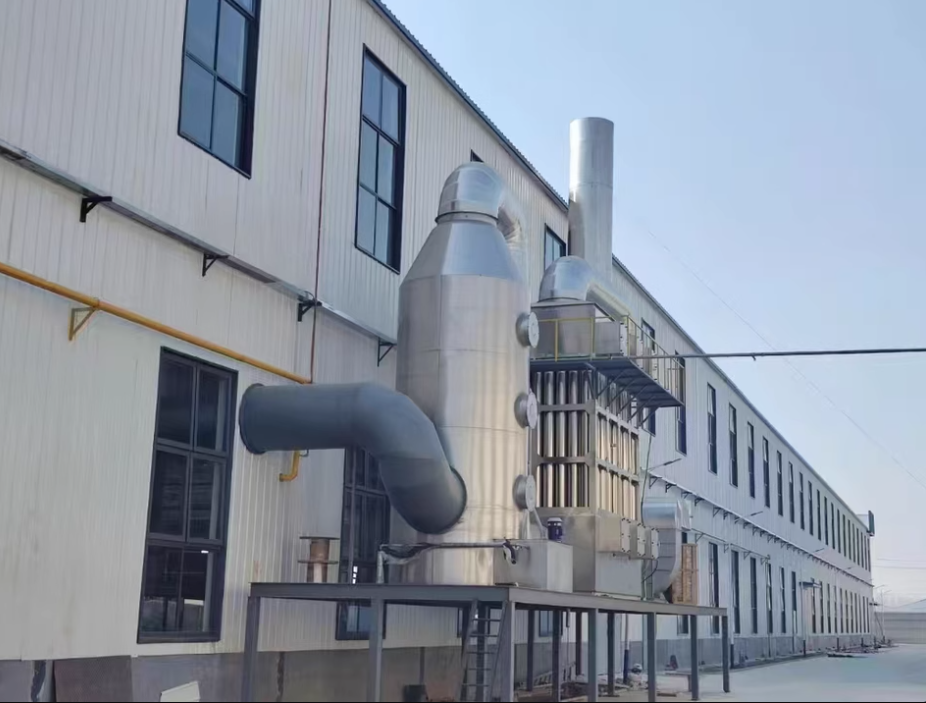
Supporting pretreatment: Spray Tower + Wet Electrostatic Precipitator
3. Waste Gas Treatment Technologies for Film Coating Machines
The main waste gas pollutants generated during film coating production are VOCs such as benzene series, esters, ketones and alcohols. There are various mature treatment technologies, mainly including activated carbon adsorption, condensation method, RTO regenerative thermal oxidation, activated carbon adsorption-desorption + CO catalytic oxidation, zeolite rotor adsorption concentration + RTO, zeolite rotor adsorption concentration + CO catalytic oxidation, etc. Detailed introductions are as follows:
(1) Activated Carbon Adsorption Method
This method adopts porous solid adsorbents such as activated carbon, silica gel and molecular sieves. Harmful substances are adsorbed onto the surface of adsorbents through chemical bonding force or molecular attraction to purify organic waste gas.
It is mainly applied to purify normal-temperature, large-volume, low-concentration organic waste gas (≤800mg/m³) free of particulate matter and viscous substances.
Advantages: purification efficiency above 90%, wide application range, simple operation and low initial investment.Disadvantages: Activated carbon needs regular replacement after adsorption saturation; saturated carbon is classified as hazardous waste requiring professional disposal, resulting in high operating costs.
(2) Condensation Method
Based on the principle that different substances have different saturated vapor pressures at different temperatures, this method lowers temperature or raises pressure to make the partial pressure of organic components equal to saturated vapor pressure, so that organic matters condense into liquid and separate from gas phase for resource recovery.
It is more suitable for treating high-concentration and high-boiling organic mixed gas. It is rarely used for low-concentration waste gas due to huge energy consumption and high operating cost. Its purification efficiency stands at 80%-90% for organic waste gas with boiling point below 60℃, with poor treatment effect on highly and moderately volatile organic waste gas.
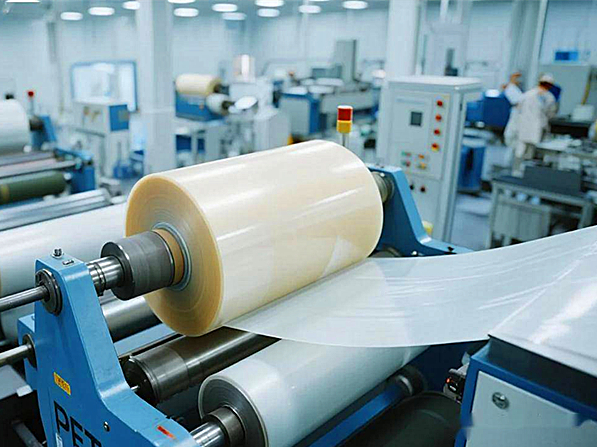
(3) RTO Regenerative Thermal Oxidation Method
Organic waste gas is heated up to over 760℃, so that internal VOCs are oxidized and decomposed into carbon dioxide and water in the combustion chamber. High-temperature flue gas heats special ceramic regenerators for heat storage, and the stored heat is used to preheat incoming waste gas, which reduces fuel consumption and operating costs.
It achieves purification efficiency of 95%-99%. Compared with traditional CO catalytic oxidation and direct thermal oxidation (TO), it features heat recovery efficiency ≥95%, low operating cost and strong adaptability to large-volume low-concentration waste gas. Secondary waste heat recovery is available under relatively high waste gas concentration to further cut production costs.
(4) Activated Carbon Adsorption & Concentration + CO Catalytic Oxidation Method
VOCs in large-volume low-concentration waste gas are adsorbed by activated carbon. Once saturated, the carbon is desorbed by high-temperature hot air with small air volume. The desorbed high-concentration waste gas is sent into CO catalytic combustion furnace for degradation. The heat generated by combustion is reused for carbon desorption to realize carbon regeneration and cyclic utilization.
This technology has advantages of low equipment investment, high purification efficiency and low operating cost, while its main drawback is large floor occupation. It has wide application scope, especially suitable for sites with continuous or intermittent discharge of low-concentration large-volume waste gas.
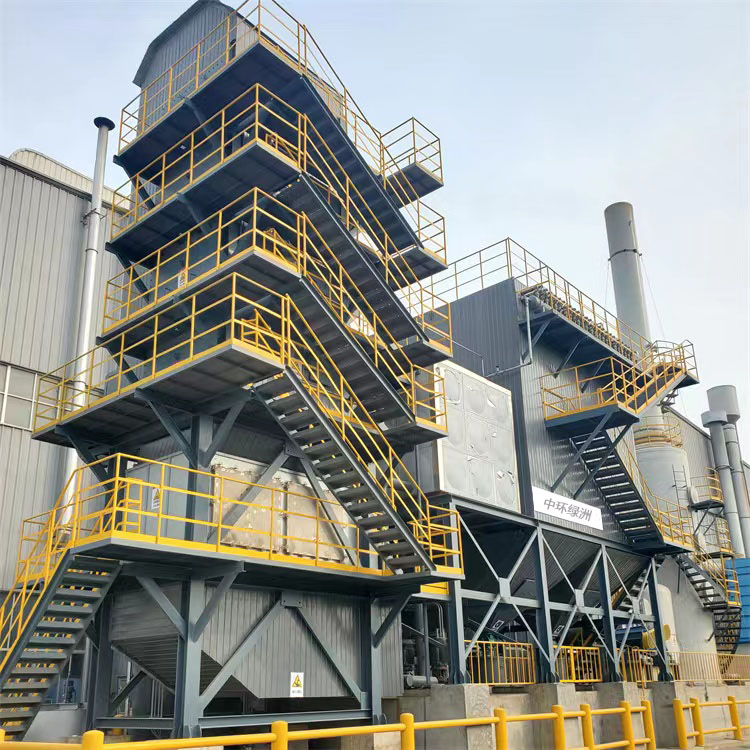
(5) Zeolite Rotor Adsorption Concentration + RTO Method
This combined process concentrates large-volume low-concentration organic waste gas into small-volume high-concentration gas via zeolite rotor. The concentrated gas is then fully oxidized and decomposed into harmless inorganic substances such as CO₂ and H₂O by RTO equipment.
Purification efficiency: 95%~99%
Heat exchanger: regenerative ceramics, heat exchange efficiency ≥95%
Floor area: moderate
Applicable scenario: continuously discharged large-volume low-concentration waste gas
Oxidation temperature: 800℃, maximum heat resistance up to 1000℃
Treatment capacity: applicable to waste gas containing sulfur, halogens and other components
(6) Zeolite Rotor Adsorption Concentration + CO Catalytic Oxidation Method
With the porous adsorption performance of zeolite molecular sieves, organic pollutants are adsorbed and concentrated. Under 300~400℃ and catalyst action, hydrocarbons in organic matters are oxidized and decomposed into harmless carbon dioxide and water to complete waste gas purification.
Purification efficiency: 95%~97%
Heat exchanger: tubular or plate type, heat exchange efficiency 65%
Floor area: relatively small
Applicable scenario: intermittently discharged large-volume low-concentration waste gas
Oxidation temperature: 300℃, maximum heat resistance ≤500℃
Limitation: cannot treat waste gas containing sulfur and halogens
The above is a full overview of mainstream waste gas treatment technologies for film coating machines. In actual engineering projects, customized collection and treatment solutions shall be formulated according to actual waste gas concentration, discharge volume, chemical composition and collection conditions. If you have demands for film coating machine waste gas purification, please feel free to contact Zhonghuan Oasis Environmental Protection to obtain professional treatment schemes and complete supporting environmental protection equipment.

 +86 15853145085