
 +86 15853145085
In today's era of increasingly stringent environmental regulations, selecting an efficient and reliable VOCs abatement technology is crucial. Currently, the three most widely adopted mainstream technologies are Adsorption Concentration + Catalytic Oxidation (CO), Adsorption Concentration + Regenerative Thermal Oxidizer (RTO), and Zeolite Rotor Concentration + RTO.
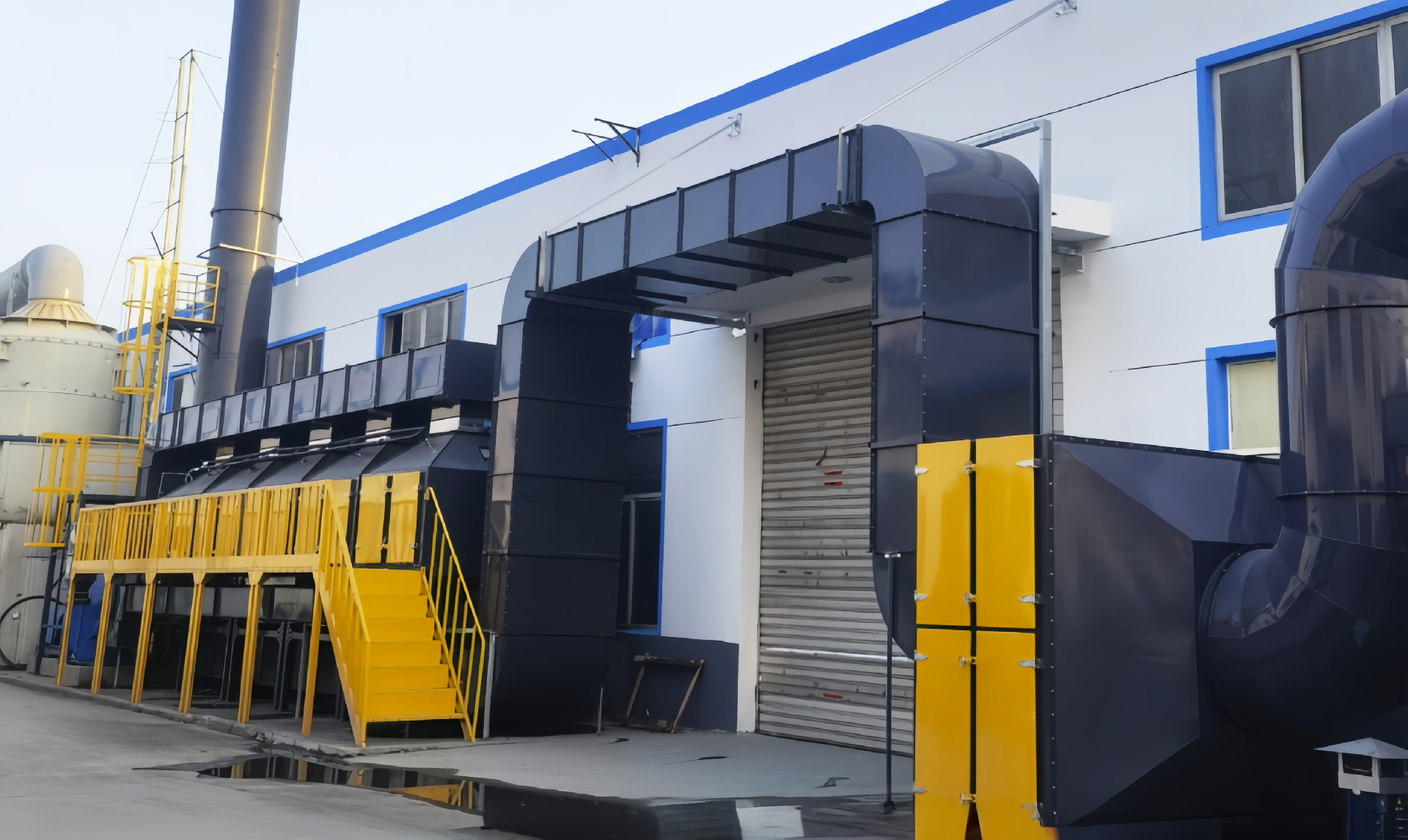
1. Activated Carbon Adsorption + Catalytic Oxidation (CO) Unit
Technical Principle: This method utilizes activated carbon to adsorb low-concentration exhaust gas at ambient temperature. Once the carbon is saturated, hot air is used to "desorb" the organic compounds, creating a high-concentration waste stream. This stream then enters a catalytic combustion chamber where it undergoes flameless combustion and is thoroughly decomposed at relatively lower temperatures (300-350℃).
Key Advantages: High purification efficiency (>95%), lower operating costs, and suitability for treating large-volume, low-concentration exhaust gases.
Applicable Scenarios: Industries such as printing, plastics, and chemical manufacturing, especially those with intermittent operations or significant fluctuations in concentration.
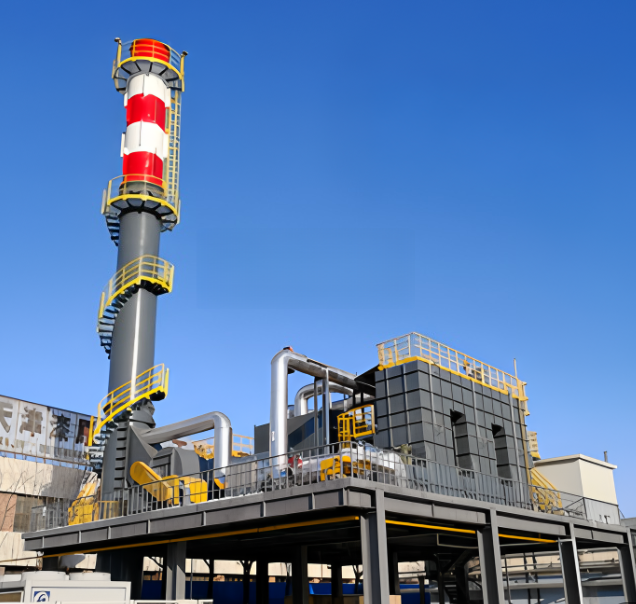
2. Rotary RTO (Regenerative Thermal Oxidizer)
Technical Principle: The system heats organic exhaust gases to temperatures above 760℃, oxidizing and decomposing them into CO₂ and H₂O. During this process, the unique rotary heat exchange media continuously cycles. It uses the high-temperature gas generated from the decomposition to preheat the incoming low-temperature waste gas, achieving a thermal energy recovery efficiency of up to 95% or higher.
Key Advantages: Extremely high treatment efficiency (>99%), significant energy savings, stable operation, and suitability for continuous production.
Applicable Scenarios: Continuous emission scenarios with medium-to-high concentration waste gases, such as automotive painting/coating, chemical processing, and pharmaceutical manufacturing.
.
3. Zeolite Rotor Concentration + Rotary RTO
Technical Principle: This represents the perfect integration of "adsorption concentration" and "high-temperature oxidation." First, large-volume, low-concentration exhaust gas passes through the zeolite rotor, where VOCs are adsorbed (and moisture is removed). Next, a small volume of hot air desorbs the VOCs from the rotor, creating a concentrated waste gas stream with a much smaller air volume. Finally, this high-concentration gas enters the Rotary RTO for highly efficient oxidative treatment.
Key Advantages: It balances massive air volume handling capacity with high energy efficiency, making it a top-tier technical solution currently available for treating ultra-large volumes of low-concentration waste gas.
Applicable Scenarios: Industries with extremely large exhaust volumes but low concentrations, such as large-scale painting workshops, lithium battery manufacturing, and packaging printing.
Zhonghuan Oasis recommends conducting a comprehensive evaluation based on multiple dimensions, including exhaust gas concentration, air volume, exhaust temperature, budget, and operating costs. Our team of engineers is ready to provide you with a free diagnosis and solution design, helping you find the perfect match and solve your VOCs challenges with a one-stop service.