Treatment Processes for Enameled Wire Waste Gas
作者:中环绿洲时间:2026-05-18 14:27:5955次浏览
信息摘要:
1. Brief Introduction to Enameled Wire Waste GasEnameled wire is a core raw material for motors, electrical appliances, household appliances and other products. With the rapid development of the electrical and electronic industries, it has gained extensive application scenarios and broad market pros...
1. Brief Introduction to Enameled Wire Waste Gas
Enameled wire is a core raw material for motors, electrical appliances, household appliances and other products. With the rapid development of the electrical and electronic industries, it has gained extensive application scenarios and broad market prospects. During production, organic solvents are used to dilute insulating varnish to ensure smooth and neat wire surface. These solvents are highly volatile and cannot stay attached to the surface for long, and are fully released during coating and drying processes, generating organic waste gas. Direct discharge of such pollutants will cause atmospheric pollution and harm the physical health of workshop staff. Therefore, dedicated waste gas treatment equipment is required to treat the exhaust gas before standard discharge.
2. Sources and Characteristics of Enameled Wire Waste Gas
The waste gas is mainly emitted from varnish coating and drying processes, containing volatile organic compounds (VOCs) such as toluene, xylene, cresol, phenol, esters and ketones. Featuring complex components, toxicity and pungent odor, some ingredients are high-boiling substances (e.g. cresol and N-methylpyrrolidone with boiling points over 200℃), bringing certain difficulties to exhaust gas governance.
3. Treatment Processes for Enameled Wire Waste Gas
The waste gas from enameled wire production mainly consists of VOCs including toluene, xylene, cresol, phenol, esters and ketones. At present, multiple treatment technologies are available, among the mainstream ones are activated carbon adsorption, RTO regenerative thermal oxidation, zeolite rotor adsorption concentration + RTO, and zeolite rotor adsorption concentration + CO catalytic oxidation. Detailed introductions are as follows:
(1) Activated Carbon Adsorption Process
This technology adopts porous solid adsorbents such as activated carbon, silica gel and molecular sieves. Harmful substances are fully adsorbed onto the adsorbent surface via chemical bonding force or molecular attraction to realize waste gas purification.It is mainly applicable to treat normal-temperature, large-volume and low-concentration organic waste gas (≤800mg/m³) free of particulate matters and viscous substances.
Advantages: purification efficiency over 90%, wide applicability, simple operation and low initial investment.
Disadvantages: new carbon replacement is needed after adsorption saturation; saturated activated carbon belongs to hazardous waste requiring professional disposal, leading to high operating costs.
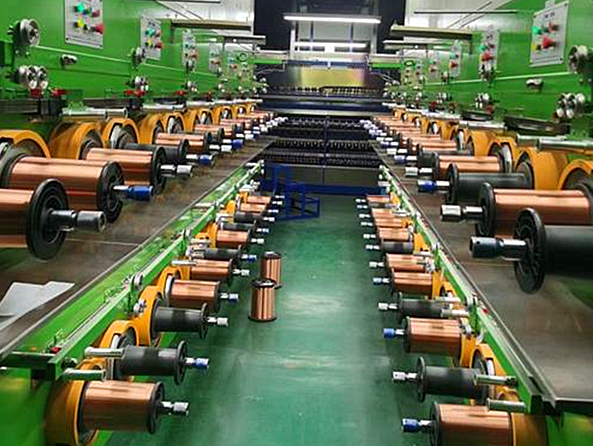
(2) RTO Regenerative Thermal Oxidation Process
Organic waste gas is heated above 760℃, so that VOCs inside are oxidized and decomposed into carbon dioxide and water in the combustion chamber. High-temperature flue gas flows through special ceramic regenerators to store heat, which is reused to preheat incoming waste gas, saving fuel consumption and cutting operating costs.
It achieves a purification efficiency of 95%-99%. Compared with traditional CO catalytic oxidation and TO thermal oxidation, it boasts heat recovery efficiency ≥95%, low operation cost and good adaptability to large-volume low-concentration waste gas. Secondary waste heat recovery is available under relatively high gas concentration to further reduce operational expenses.
(3) Zeolite Rotor Adsorption Concentration + RTO Process
Large-volume low-concentration organic waste gas is concentrated into small-volume high-concentration gas by zeolite rotor. The concentrated gas is then fully oxidized and decomposed into harmless inorganic substances like CO₂ and H₂O in RTO equipment.
Purification efficiency: 95%-99%
Heat exchange medium: regenerative ceramics, heat exchange efficiency ≥95%
Floor area: moderate
Application: continuously generated large-volume low-concentration waste gas
Working temperature: oxidation at 800℃, maximum heat resistance up to 1000℃
Applicable gas: capable of treating waste gas containing sulfur, halogens and other components
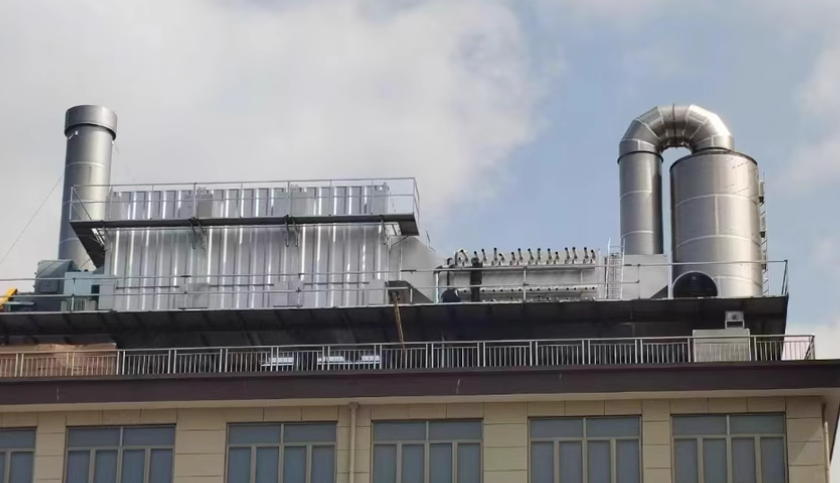
(4) Zeolite Rotor Adsorption Concentration + CO Catalytic Oxidation Process
Organic pollutants are adsorbed and concentrated by porous zeolite molecular sieves. Under 300-400℃ and catalyst effect, hydrocarbons in organic matters are decomposed into harmless carbon dioxide and water to complete purification.
Purification efficiency: 95%-97%
Heat exchanger: tubular or plate type, heat exchange efficiency 65%
Floor area: relatively small
Application: intermittently generated large-volume low-concentration waste gas
Working temperature: oxidation at 300℃, maximum heat resistance ≤500℃
Restriction: unavailable for waste gas containing sulfur and halogens
The above is a full introduction to mainstream treatment technologies for enameled wire waste gas. In practical projects, the overall collection and treatment scheme shall be customized according to actual waste gas concentration, emission volume, chemical composition and collection conditions. If you have demands for enameled wire exhaust gas purification, please feel free to contact Zhonghuan Oasis Environmental Protection for tailor-made solutions and complete supporting treatment equipment.

 +86 15853145085