Waste gas treatment methods for adhesive workshop of wood-based panel production
作者:中环绿洲时间:2026-05-18 14:26:1657次浏览
信息摘要:
1. Brief Introduction to Waste Gas in Wood-Based Panel Glue-Making WorkshopAdhesives are indispensable core materials in the production of wood-based panels. Most domestic wood-based panel factories produce adhesives by themselves. During production in glue-making workshops, waste gas pollutants suc...
1. Brief Introduction to Waste Gas in Wood-Based Panel Glue-Making Workshop
Adhesives are indispensable core materials in the production of wood-based panels. Most domestic wood-based panel factories produce adhesives by themselves. During production in glue-making workshops, waste gas pollutants such as formaldehyde, phenol, non-methane total hydrocarbons, VOCs and a small amount of ammonia are generated. Direct discharge of untreated waste gas will not only threaten the physical health of workshop workers, but also cause atmospheric pollution. Therefore, it is necessary to collect and purify the waste gas scientifically and efficiently to meet discharge standards.
2. Sources and Characteristics of Waste Gas in Glue-Making Workshop
The waste gas mainly comes from resin synthesis, raw material storage, blending and coating processes. The production of urea-formaldehyde resin and phenolic resin releases a large amount of formaldehyde and phenol vapor as well as trace ammonia. Solvent volatilization in glue preparation produces mixed gas dominated by VOCs. Such waste gas features unstable concentration, complex components and high moisture content.
3. Waste Gas Treatment Technologies for Wood-Based Panel Glue-Making Workshops
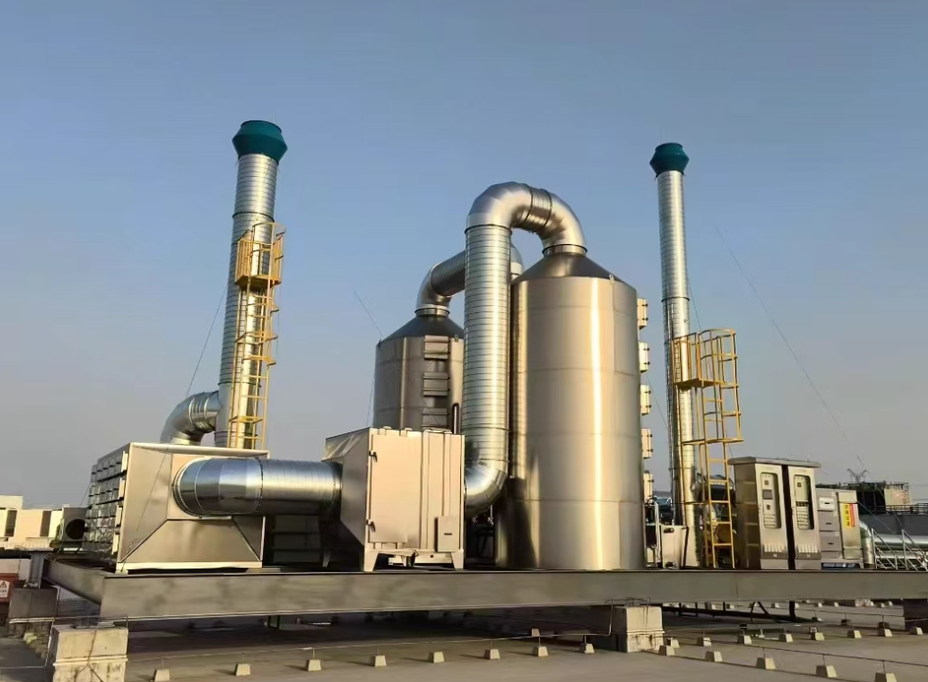
Main pollutants emitted include formaldehyde, phenol, non-methane total hydrocarbons, VOCs and a small amount of ammonia. Water spray scrubbing is ideal for removing ammonia and formaldehyde. For phenol, non-methane total hydrocarbons and other VOCs pollutants, common treatment technologies are listed below:
3.1 Water Spray Scrubbing Method
This process uses water to absorb water-soluble ammonia and formaldehyde, and intercept particulate matter. The purified gas is delivered to subsequent treatment units.
It can effectively remove paint mist particles and water-soluble organic substances with a purification efficiency up to 90% and low operating cost. However, it has poor removal effect on water-insoluble gas and produces wastewater that needs further treatment in sewage stations.
3.2 VOCs Waste Gas Treatment Technologies
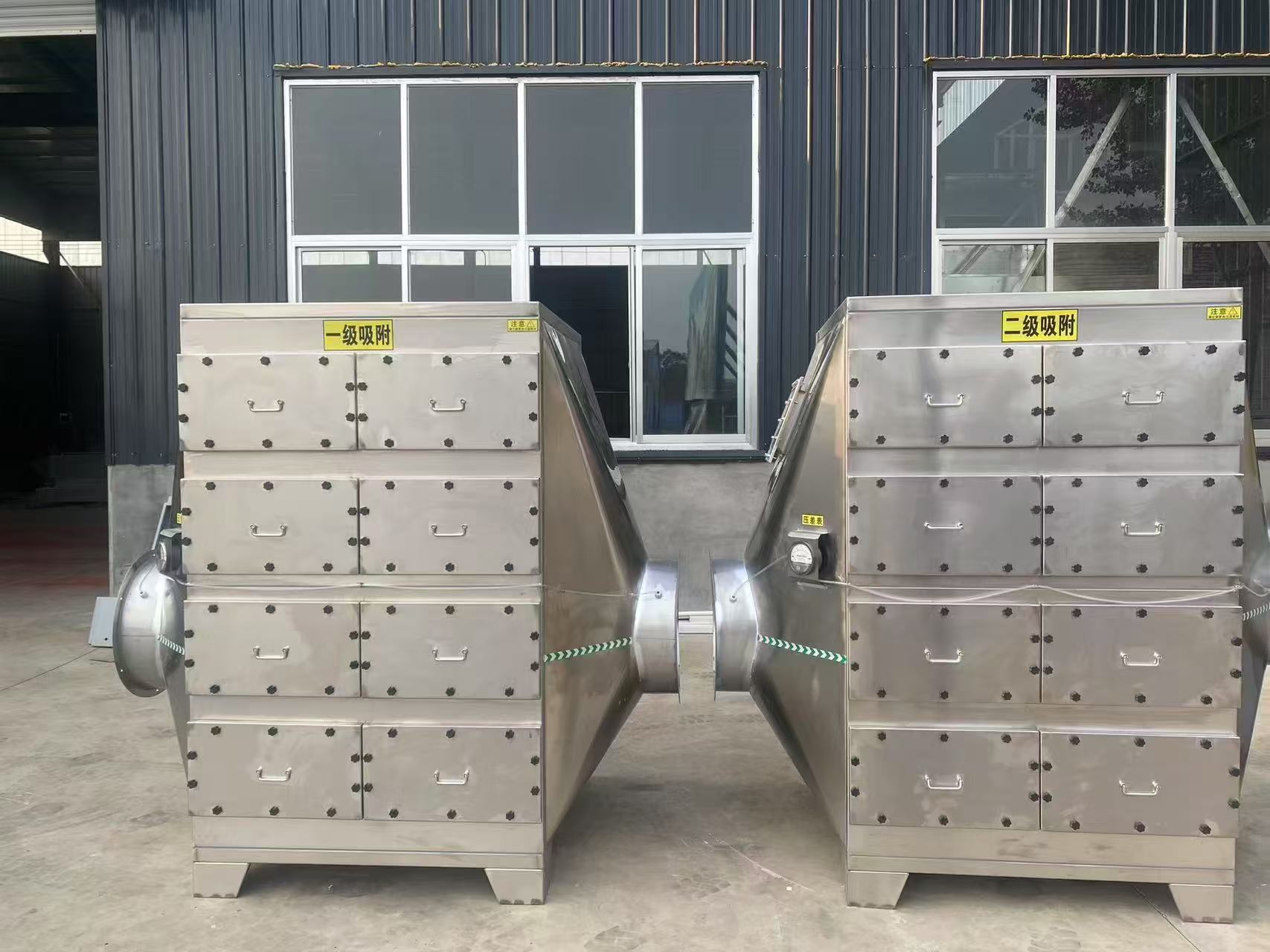
(1) Activated Carbon Adsorption Method
Porous solid adsorbents including activated carbon, silica gel and molecular sieves are adopted to adsorb harmful substances onto the adsorbent surface via chemical bonding force or molecular force so as to purify organic waste gas.
It is mainly used for treating normal-temperature, large-volume and low-concentration organic waste gas (≤800mg/m³) without particles and viscous substances.
Advantages: purification efficiency over 90%, wide application, simple operation and low initial investment.Disadvantages: Activated carbon needs regular replacement after saturation; saturated carbon is hazardous waste requiring professional disposal, resulting in high operating costs.Secondary activated carbon adsorption available
(2) RTO Regenerative Thermal Oxidation Method
Organic waste gas is heated above 760℃, and internal VOCs are oxidized and decomposed into carbon dioxide and water in the combustion chamber. High-temperature flue gas stores heat in special ceramic regenerators, and the stored heat preheats incoming waste gas to reduce fuel consumption and operating costs.
It achieves purification efficiency of 95%-99%. Compared with traditional CO catalytic oxidation and TO direct combustion, it has heat recovery efficiency ≥95%, low operating cost and strong capacity for large-volume low-concentration waste gas. Secondary waste heat recovery can be adopted under relatively high gas concentration to cut production costs greatly.
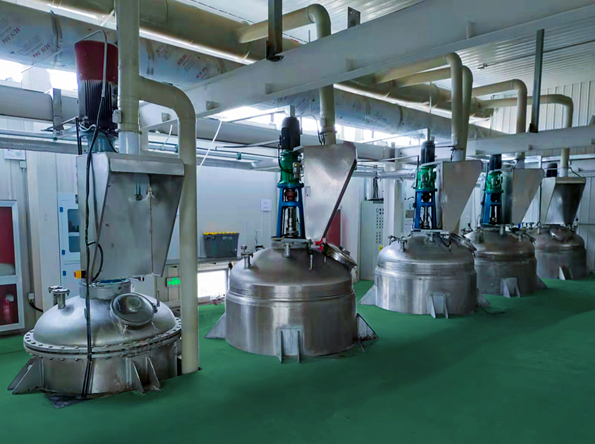
(3) Activated Carbon Adsorption & Desorption + CO Catalytic Oxidation Method
Activated carbon adsorbs VOCs from large-volume low-concentration waste gas. After adsorption saturation, high-temperature hot air is used for desorption. The concentrated high-concentration waste gas is sent into CO catalytic combustion furnace for decomposition. Heat generated from combustion is reused for carbon desorption to realize carbon regeneration and recycling.
This technology has the advantages of low equipment investment, high purification efficiency and low operation cost, with the disadvantage of large floor space. It is widely applicable to places with continuous or intermittent emission of low-concentration large-volume waste gas.
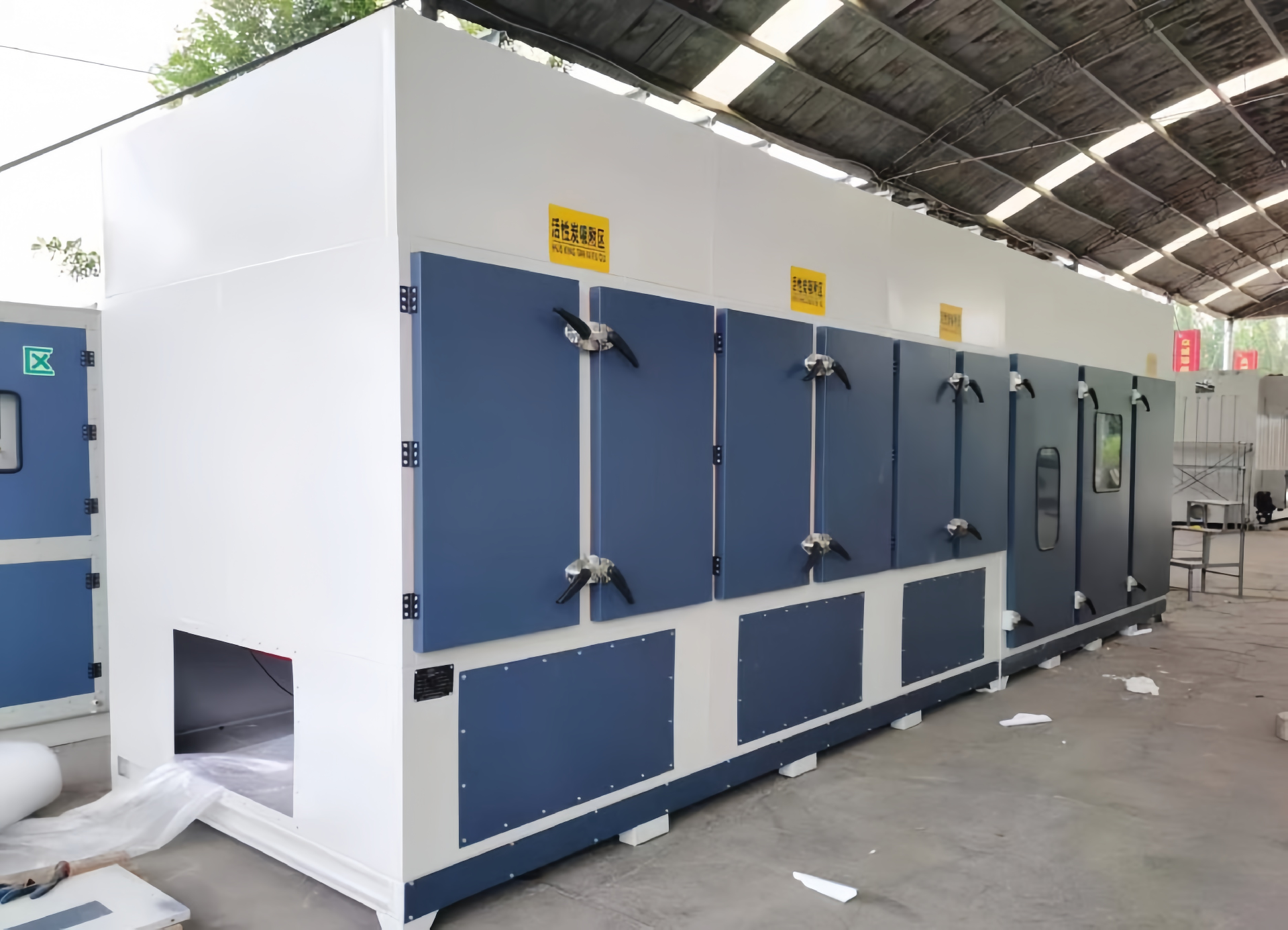
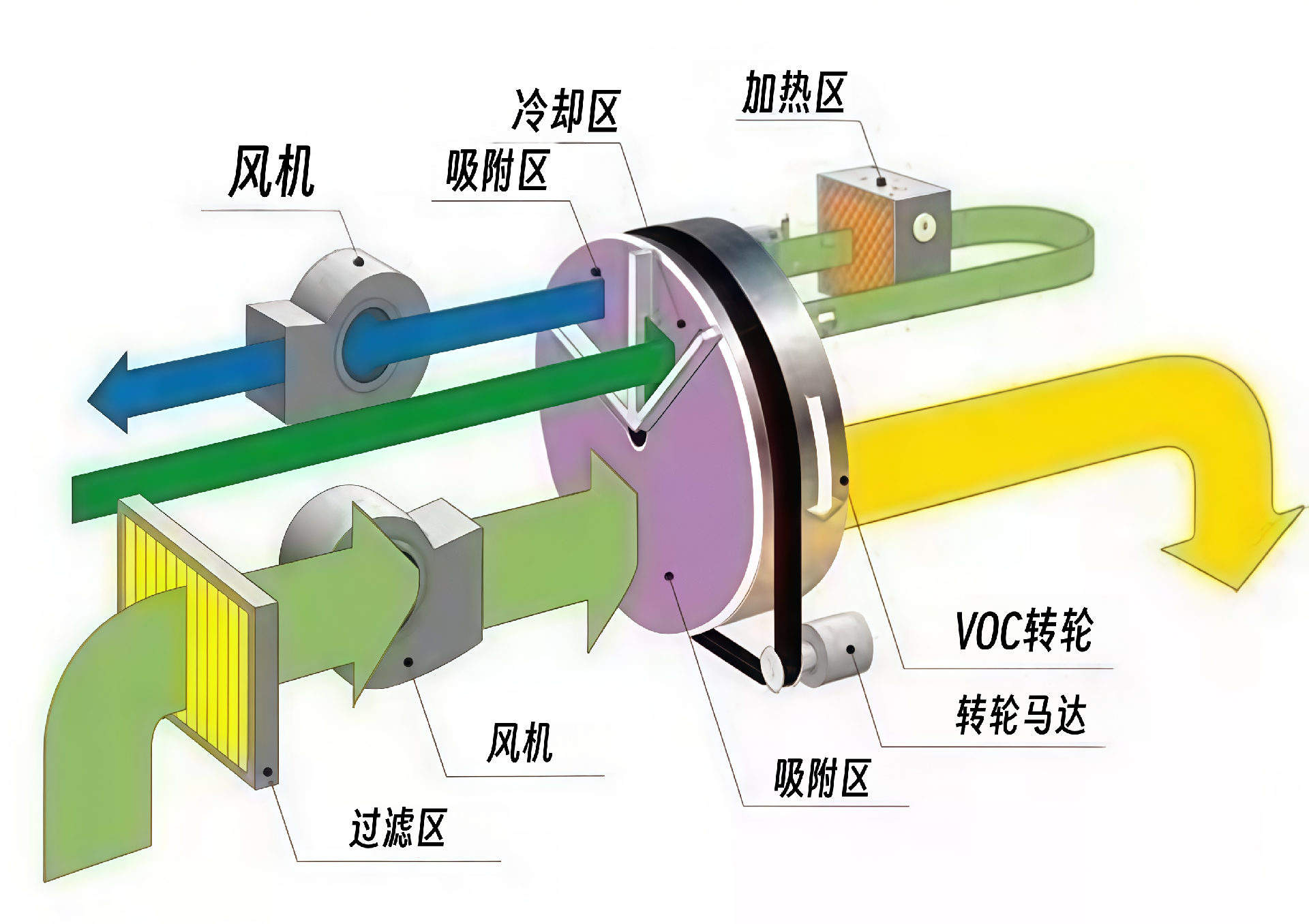
(4) Zeolite Rotor Adsorption Concentration + RTO Process
Large-volume low-concentration organic waste gas is concentrated into small-volume high-concentration gas by zeolite rotor, then fully oxidized and decomposed into harmless CO₂, H₂O and other inorganic substances through RTO equipment.
Purification efficiency: 95%~99%
Heat exchanger: regenerative ceramics, heat exchange efficiency ≥95%
Floor area: moderate
Application: continuously generated large-volume low-concentration waste gas
Oxidation temperature: 800℃, max heat resistance up to 1000℃
Applicable scope: capable of treating waste gas containing sulfur, halogens and other components
(5) Zeolite Rotor Adsorption Concentration + CO Catalytic Oxidation Method
Organic pollutants are adsorbed and concentrated by zeolite molecular sieves. Under 300~400℃ and catalytic effect, hydrocarbons are decomposed into harmless carbon dioxide and water to realize waste gas purification.
Purification efficiency: 95%~97%
Heat exchanger: tubular or plate type, heat exchange efficiency 65%
Floor area: relatively small
Application: intermittently generated large-volume low-concentration waste gas
Oxidation temperature: 300℃, max heat resistance ≤500℃
Limitation: not applicable to waste gas containing sulfur and halogens
The above is an introduction to mainstream waste gas treatment technologies for wood-based panel glue-making workshops. In actual projects, the overall treatment scheme shall be customized according to waste gas concentration, discharge volume, components and collection conditions. If you need waste gas purification service for glue-making workshops, please contact Zhonghuan Oasis Environmental Protection for professional customized solutions and complete supporting equipment.


 +86 15853145085