How to treat waste gas in shoe factory
作者:中环绿洲时间:2026-05-18 14:25:2054次浏览
信息摘要:
1. Brief Introduction to Shoe Factory Waste GasAs a traditional labor-intensive manufacturing industry, the shoe-making industry provides various comfortable footwear, yet it also brings prominent waste gas pollution issues. During production processes including shoe material cutting, grinding, poli...
1. Brief Introduction to Shoe Factory Waste Gas
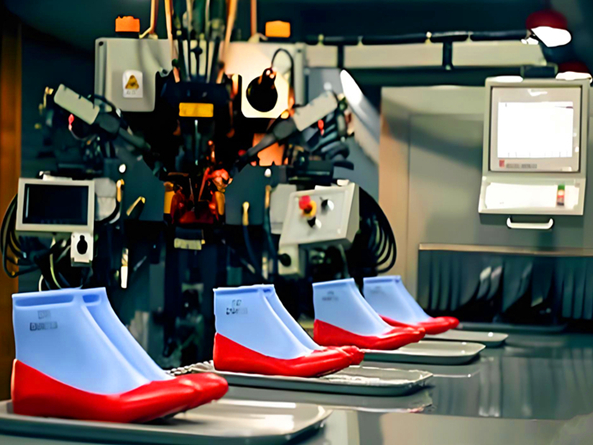
As a traditional labor-intensive manufacturing industry, the shoe-making industry provides various comfortable footwear, yet it also brings prominent waste gas pollution issues. During production processes including shoe material cutting, grinding, polishing, sole forming, upper bonding, vulcanization and drying, shoe factories discharge pollutants such as volatile organic compounds (VOCs), malodorous gas and dust particles. Direct discharge of untreated waste gas not only endangers workers’ health, but also aggravates atmospheric pollution. Hence, effective purification treatment must be conducted to make the exhaust gas meet official emission standards.
2. Sources of Shoe Factory Waste Gas
Shoe factory waste gas features complex components, and pollutants vary greatly in different working procedures. Accurate confirmation of waste gas sources and compositions is essential for selecting proper treatment technologies.
2.1 Major Source: VOC Emission
VOCs are the primary pollutants in shoe factories, accounting for over 80% of total waste gas volume, mainly generated from the following processes:
Shoe adhesives: Solvent-based adhesives such as traditional neoprene adhesive and polyurethane adhesive contain organic solvents including toluene, xylene and ethyl acetate, which volatilize greatly after gluing;
Treating agents & cleaning agents: Shoe upper treating agents and sole cleaning agents contain massive ketone and ester solvents with severe volatilization;
Inks & coatings: Inks and coatings used for shoe upper printing and sole coloring contain benzene series and alcohols, which are intensively released during drying;
Thermoplastic material processing: Sole forming processes like EVA foaming and TPR injection molding produce non-methane total hydrocarbons, acrylonitrile and other substances via thermal decomposition.
2.2 Secondary Sources: Malodorous Gas and Particulate Matter
Malodorous gas: Hydrogen sulfide, ammonia and other irritative gases are generated during leather tanning and rubber vulcanization despite low concentration;
Particulate matter: Fine leather scraps and rubber dust are produced in shoe material grinding and polishing processes, with a high proportion of PM2.5 that easily suspends in the air.
3. Waste Gas Treatment Technologies for Shoe Factories
Main pollutants from shoe production include dust particles, malodorous gas and VOCs. Spray scrubbing is adopted to remove dust and odor, while multiple mature technologies are available for VOCs treatment, including activated carbon adsorption, RTO regenerative thermal oxidation, activated carbon adsorption-desorption + CO catalytic oxidation, zeolite rotor adsorption concentration + RTO, zeolite rotor adsorption concentration + CO catalytic oxidation, etc.
3.1 Spray Scrubbing Method
Alkaline spray scrubbing applies sodium hydroxide solution or sulfuric acid solution to absorb hydrogen sulfide, remove water-soluble pollutants and intercept particulate matters. The treated gas is delivered to subsequent purification units.
It can efficiently eliminate hydrogen sulfide, water-soluble organics and particles with a purification efficiency up to 90% and low operating cost. Nevertheless, it has poor effect on water-insoluble organics and produces wastewater requiring further treatment in sewage treatment stations.
3.2 VOCs Waste Gas Treatment Technologies
(1) Activated Carbon Adsorption Method
It uses porous solid adsorbents such as activated carbon, silica gel and molecular sieves to adsorb harmful substances onto adsorbent surfaces through chemical bonding force or molecular attraction for organic waste gas purification.
It is widely used for purifying normal-temperature, large-volume and low-concentration organic waste gas (≤800mg/m³) free of particles and viscous substances.
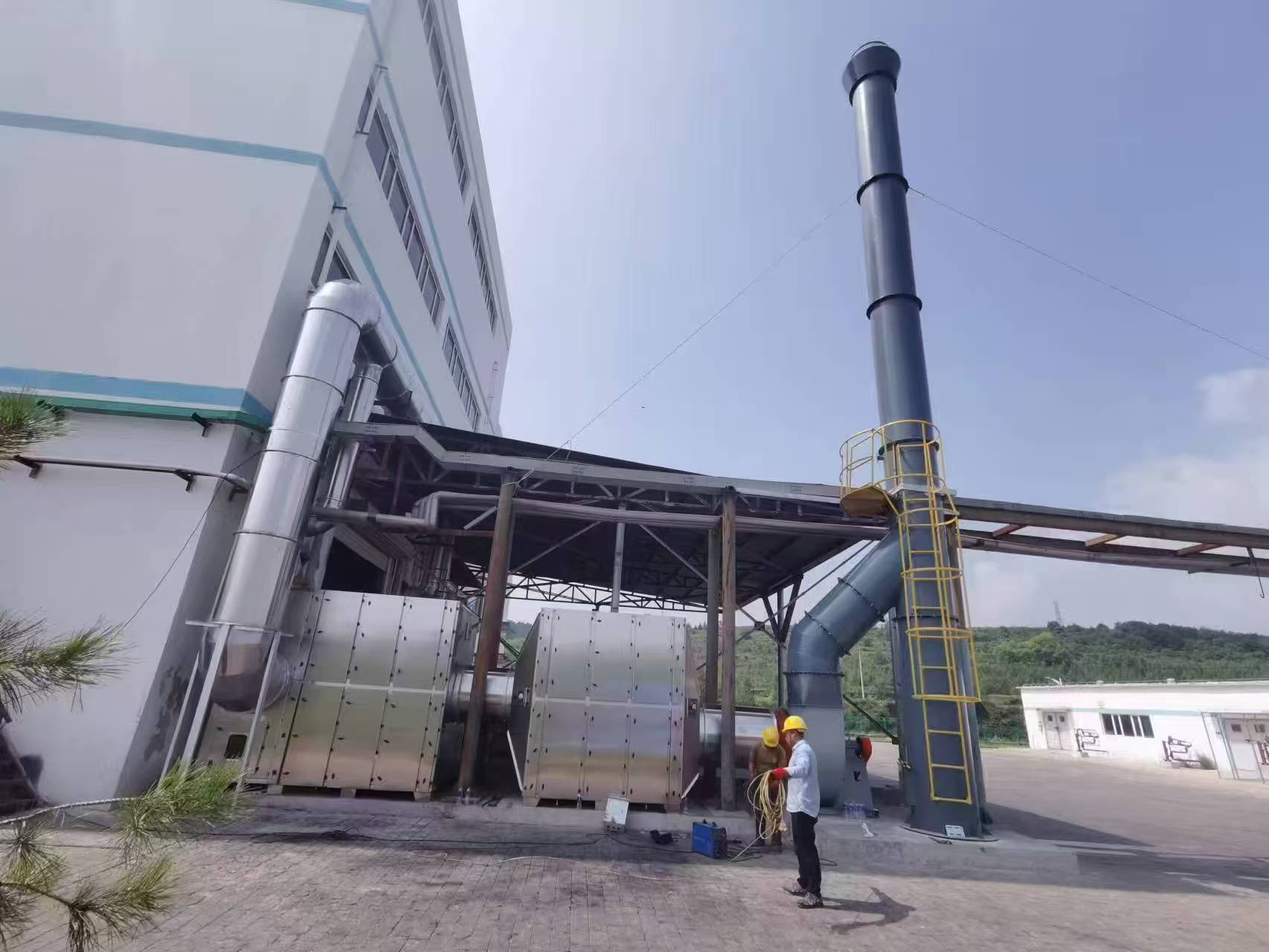
Advantages: purification efficiency above 90%, wide applicability, simple operation and low initial investment.Disadvantages: Activated carbon needs regular replacement after adsorption saturation; saturated activated carbon belongs to hazardous waste requiring professional disposal, leading to high operating costs.Equipment: Activated Carbon Adsorption Box
(2) RTO Regenerative Thermal Oxidation Method
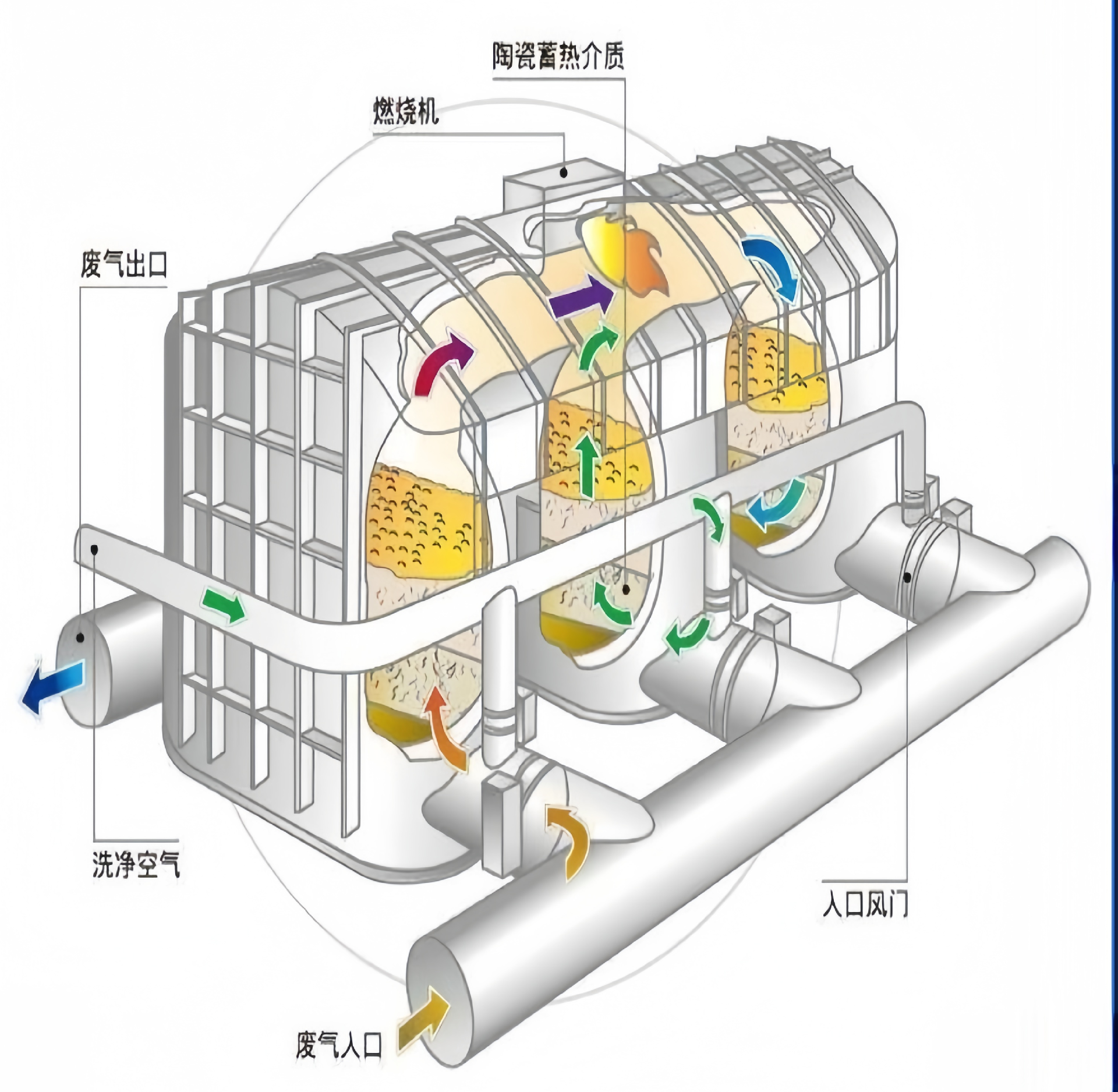
Organic waste gas is heated to over 760℃, so that internal VOCs are oxidized and decomposed into carbon dioxide and water in the combustion chamber. High-temperature flue gas stores heat in special ceramic regenerators, and the stored heat preheats incoming waste gas to reduce fuel consumption and cut operating costs.
It achieves purification efficiency of 95%-99%. Compared with traditional CO catalytic oxidation and TO direct thermal oxidation, it boasts heat recovery efficiency ≥95%, low operation cost and strong adaptability to large-volume low-concentration waste gas. Secondary waste heat recovery can be realized under relatively high gas concentration to greatly lower production costs.Equipment: Regenerative Thermal Oxidizer
(3) Activated Carbon Adsorption & Desorption + CO Catalytic Oxidation Method
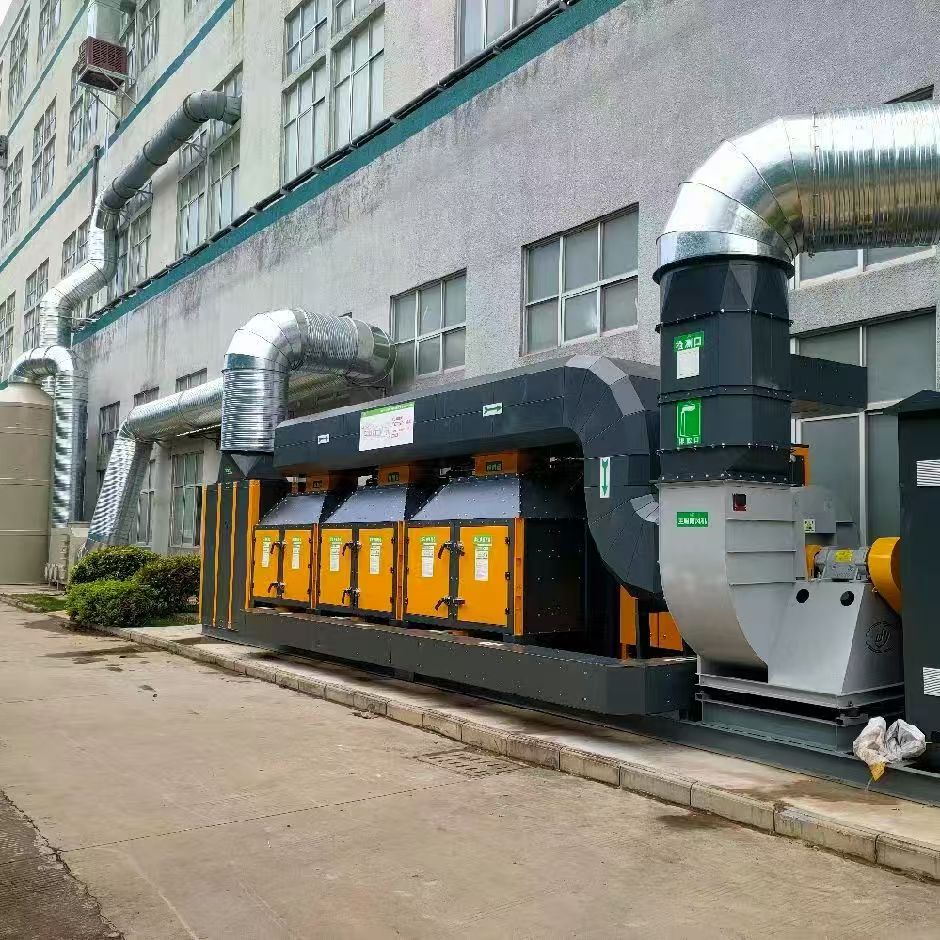
Activated carbon adsorbs VOCs from large-volume low-concentration waste gas. After saturation, high-temperature hot air is used for desorption. The concentrated high-concentration waste gas is sent into CO catalytic combustion furnace for degradation. Heat generated from combustion is reused for carbon desorption to realize activated carbon regeneration and cyclic utilization.
This process features low equipment investment, high purification efficiency and low operating cost, with the shortcoming of large floor space. It is suitable for sites with continuous or intermittent discharge of low-concentration large-volume waste gas.
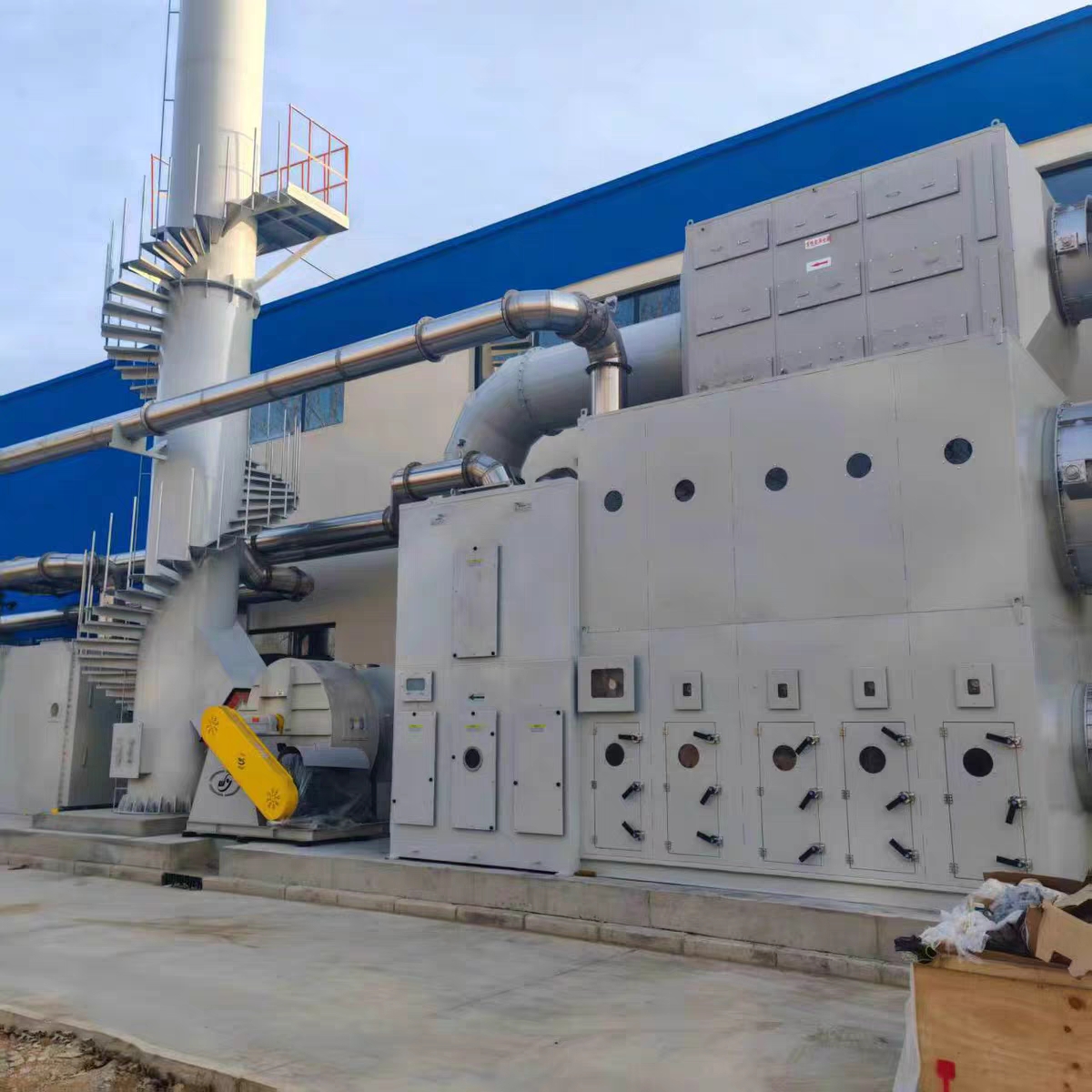
(4) Zeolite Rotor Adsorption Concentration + RTO Process
This combined technology concentrates large-volume low-concentration organic waste gas into small-volume high-concentration gas via zeolite rotor, and the concentrated gas is fully oxidized and decomposed into harmless inorganic substances such as CO₂ and H₂O by RTO equipment.
Purification efficiency: 95%~99%
Heat exchanger: regenerative ceramics, heat exchange efficiency ≥95%
Floor area: moderate
Application scenario: continuously discharged large-volume low-concentration waste gas
Oxidation temperature: 800℃, maximum heat resistance up to 1000℃
Applicable range: capable of treating waste gas containing sulfur, halogens and other components
(5) Zeolite Rotor Adsorption Concentration + CO Catalytic Oxidation Method
Organic pollutants are adsorbed and concentrated by porous zeolite molecular sieves. Under 300~400℃ and catalyst action, hydrocarbons in organic matters are oxidized and decomposed into harmless carbon dioxide and water to achieve waste gas purification.
Purification efficiency: 95%~97%
Heat exchanger: tubular or plate type, heat exchange efficiency 65%
Floor area: relatively small
Application scenario: intermittently discharged large-volume low-concentration waste gas
Oxidation temperature: 300℃, maximum heat resistance ≤500℃
Limitation: unable to treat waste gas containing sulfur and halogens
The above is a detailed introduction to common waste gas treatment technologies for shoe factories. In practical projects, customized collection and treatment schemes shall be formulated according to actual waste gas concentration, emission volume, chemical compositions and collection conditions. If you have demands for shoe factory waste gas purification, please feel free to contact Zhonghuan Oasis Environmental Protection for tailored waste gas treatment solutions and complete supporting environmental protection equipment.

 +86 15853145085