
 +86 15853145085
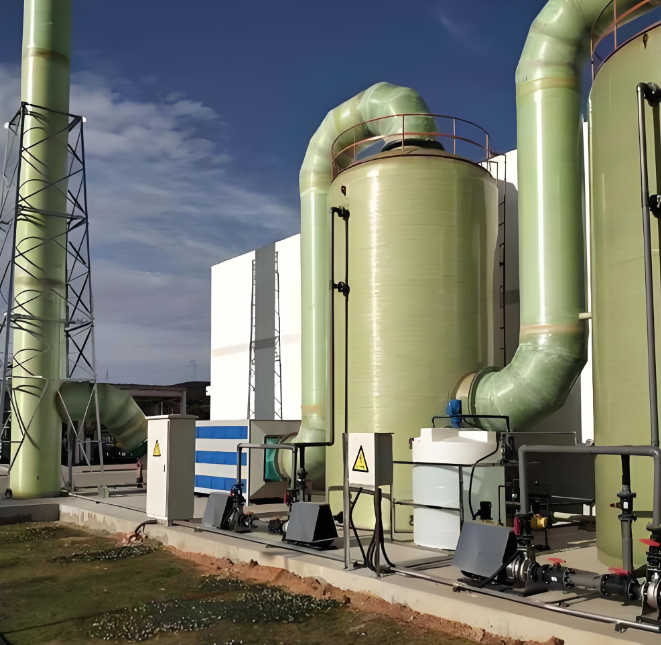
In industrial silicon production, desulfurization and denitrification equipment is mainly applied to reduce the emission of harmful gases such as sulfur dioxide and nitrogen oxides. It ensures compliance with environmental protection standards and minimizes atmospheric pollution. The specific application analysis is shown as follows:
1. Pollution Problems in Industrial Silicon Production
A large amount of waste gas is generated during high-temperature smelting and chemical reactions in industrial silicon production, including harmful pollutants such as SO₂ and NOx. Direct discharge of these pollutants will cause serious atmospheric pollution and bring long-term adverse impacts on human health and the ecological environment.
2. Functions of Desulfurization and Denitrification Equipment
Desulfurization and denitrification equipment is designed to remove SO₂ and NOx from industrial flue gas. Through chemical reactions and physical adsorption, harmful substances are converted into non-toxic or low-toxic compounds to achieve compliant discharge.
Desulfurization equipment: The alkaline solution is sprayed to chemically react with sulfur dioxide, generating stable sulfate sediments to remove SO₂. Common desulfurization technologies include wet desulfurization, dry desulfurization and semi-dry desulfurization.
Denitrification equipment: With the assistance of catalysts, NOx is converted into harmless nitrogen and water. Selective catalytic reduction and other advanced technologies are widely adopted. The selection of denitrification methods depends on flue gas composition, temperature, pressure and other working conditions.
3. Practical Application in Industrial Silicon Production
Desulfurization and denitrification equipment is generally installed at the flue gas outlet of smelting furnaces for exhaust gas purification. The application mode varies according to production processes and equipment types.
Integrated design: Some devices integrate desulfurization and denitrification functions into one unit, which reduces floor space and investment cost. This design is suitable for working conditions with simple flue gas components and medium gas volume.
Segmented treatment: For enterprises with complex flue gas composition and large exhaust volume, segmented purification is adopted. The flue gas firstly passes through desulfurization equipment to remove sulfur dioxide, and then enters denitrification equipment for NOx elimination, ensuring thorough purification of various pollutants.
Intelligent control: With the development of automation technology, modern purification equipment realizes intelligent operation. The system monitors flue gas components and treatment efficiency in real time, and automatically adjusts operating parameters to maintain stable and compliant emission standards.
4. Application Effects and Existing Challenges
Desulfurization and denitrification equipment performs excellently in industrial silicon production, which can greatly reduce SO₂ and NOx emission concentration and meet environmental regulatory requirements. Nevertheless, practical application still faces challenges, including high operating costs, complicated maintenance work, and unstable treatment efficiency affected by flue gas composition and temperature fluctuations.