
 +86 15853145085
The collaborative optimization of desulfurization and denitrification equipment and processes is the key to improving environmental protection facility efficiency, reducing operating costs and cutting pollutant emissions. Relevant optimization suggestions are summarized as follows:
1. Equipment Selection and Performance Matching
Performance matching: The selected equipment shall match the actual process requirements. Technicians should comprehensively consider processing capacity, removal efficiency and energy consumption to ensure stable and compliant operation.
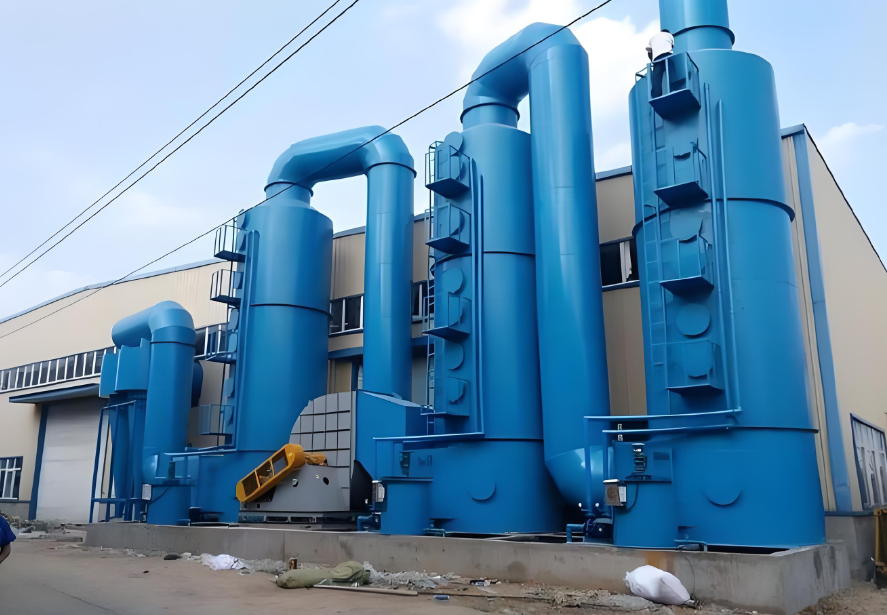
Technology integration: Adopt integrated technology to combine desulfurization and denitrification devices into an all-in-one system. This design reduces floor space and improves the overall operational efficiency and system stability.
Modular design: Modular structure simplifies equipment installation, commissioning and daily maintenance. Meanwhile, it improves flexibility and scalability, reserving upgrading space for future production process optimization.
2. Process Optimization of Desulfurization and Denitrification System
Parameter adjustment: Optimize process parameters according to operational data and experimental results, including flue gas flow rate, temperature, pressure, slurry concentration and nozzle angle. Reasonable parameter setting improves pollutant removal efficiency and reduces energy consumption.
Reagent management: Optimize the dosage and feeding mode of chemical reagents. Precise metering and automatic control improve reagent utilization rate and reduce material waste and secondary emission.
By-product utilization: Explore comprehensive utilization methods for by-products such as desulfurization gypsum and ammonium nitrate. Resource recycling effectively lowers waste disposal costs and realizes circular economic production.
3. Intelligent Control of Desulfurization and Denitrification Equipment
Data collection and analysis: Apply Internet of Things and big data technology to collect and analyze real-time operating data. Potential operational risks can be detected through data analysis, realizing timely parameter adjustment and stable system operation.
Predictive maintenance: Based on historical operating data and machine learning algorithms, the system can predict equipment operating status. Hidden faults can be eliminated in advance to reduce downtime and maintenance costs.
Intelligent scheduling: The equipment automatically adjusts operating strategies according to real-time flue gas emission conditions and environmental policies. It realizes energy conservation and emission reduction while ensuring stable compliant discharge.