
 +86 15853145085
Technical standards have a significant impact on the comprehensive performance of desulfurization and denitrification equipment. The detailed influences are summarized in the following aspects:
1. Technical Principle and Treatment Efficiency
Regulations on technical principles in industrial standards directly determine the purification efficiency of desulfurization and denitrification equipment. For example, wet desulfurization technology possesses mature technical principles and can achieve a desulfurization efficiency of over 90%. Similarly, catalyst selection is critical for denitrification systems. High-efficiency catalysts greatly improve NOx conversion rate and optimize denitrification performance. The formulation and upgrading of technical standards promote the widespread application of advanced technologies, thereby improving the overall equipment performance.
2. Technological Process and Optimization
Technical standards put forward clear requirements for process flow, including equipment layout, operating parameters and energy consumption control. Reasonable process design effectively reduces energy loss and improves operational efficiency. For instance, circulating fluidized bed technology lowers fuel consumption while enhancing pollutant removal capacity. Continuous optimization of technical standards promotes process improvement, realizing a better balance between environmental performance and economic benefits.
3. Design and Manufacturing Quality
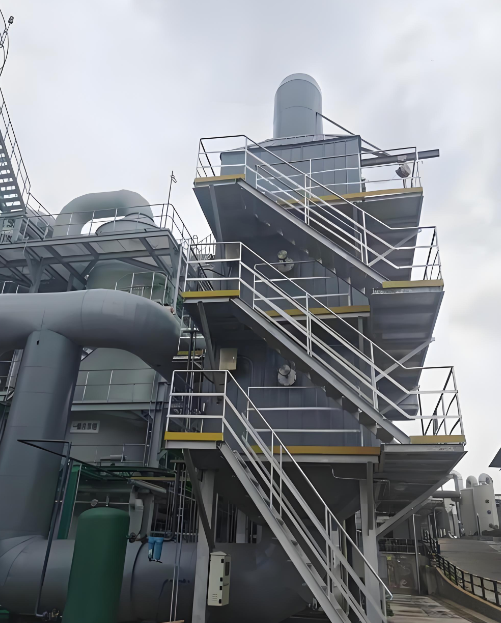
Strict provisions for design and manufacturing quality are specified in technical standards. High-precision manufacturing processes and standardized quality control ensure long-term efficient and stable operation. Clear regulations on material selection, welding technology and inspection methods effectively improve the overall performance and operational reliability of desulfurization and denitrification equipment.
4. Operation and Maintenance Specifications
Technical standards formulate standardized operation and maintenance guidelines. Regular inspection, maintenance and parameter optimization effectively improve operating efficiency and service life, keeping the equipment in stable working condition. Qualification requirements for operators, maintenance cycles and maintenance methods are clearly defined to guarantee long-term stable operation and lasting high performance.
5. Equipment Adaptability and Flexibility
Technical standards take equipment adaptability and flexibility into consideration. High-performance equipment is capable of adapting to different fuels and pollutants, and flexibly adjusting operating parameters to cope with fluctuating working conditions. The iteration of technical standards encourages manufacturers to strengthen structural flexibility during design and production, so as to meet the personalized demands of different industrial users.